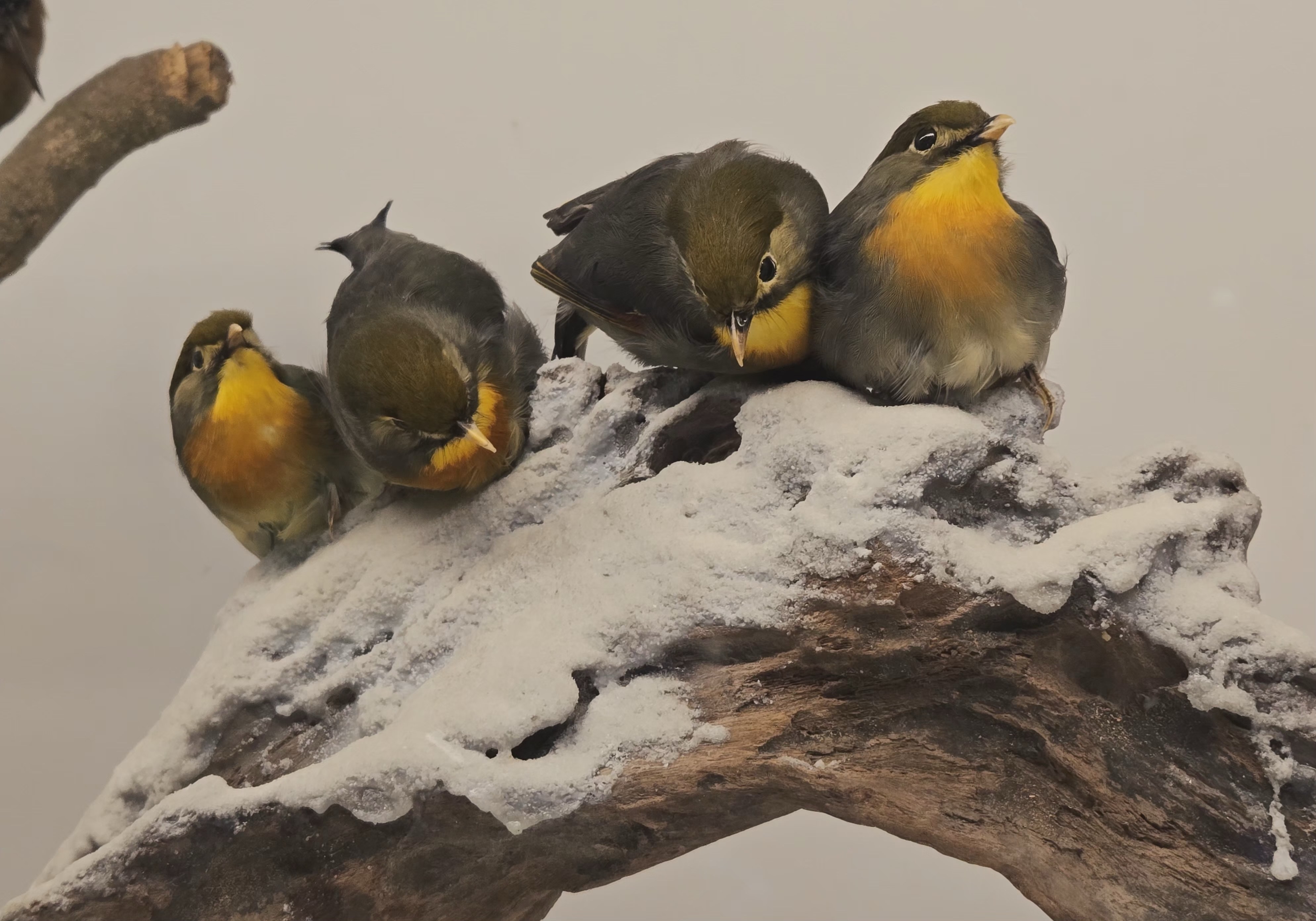
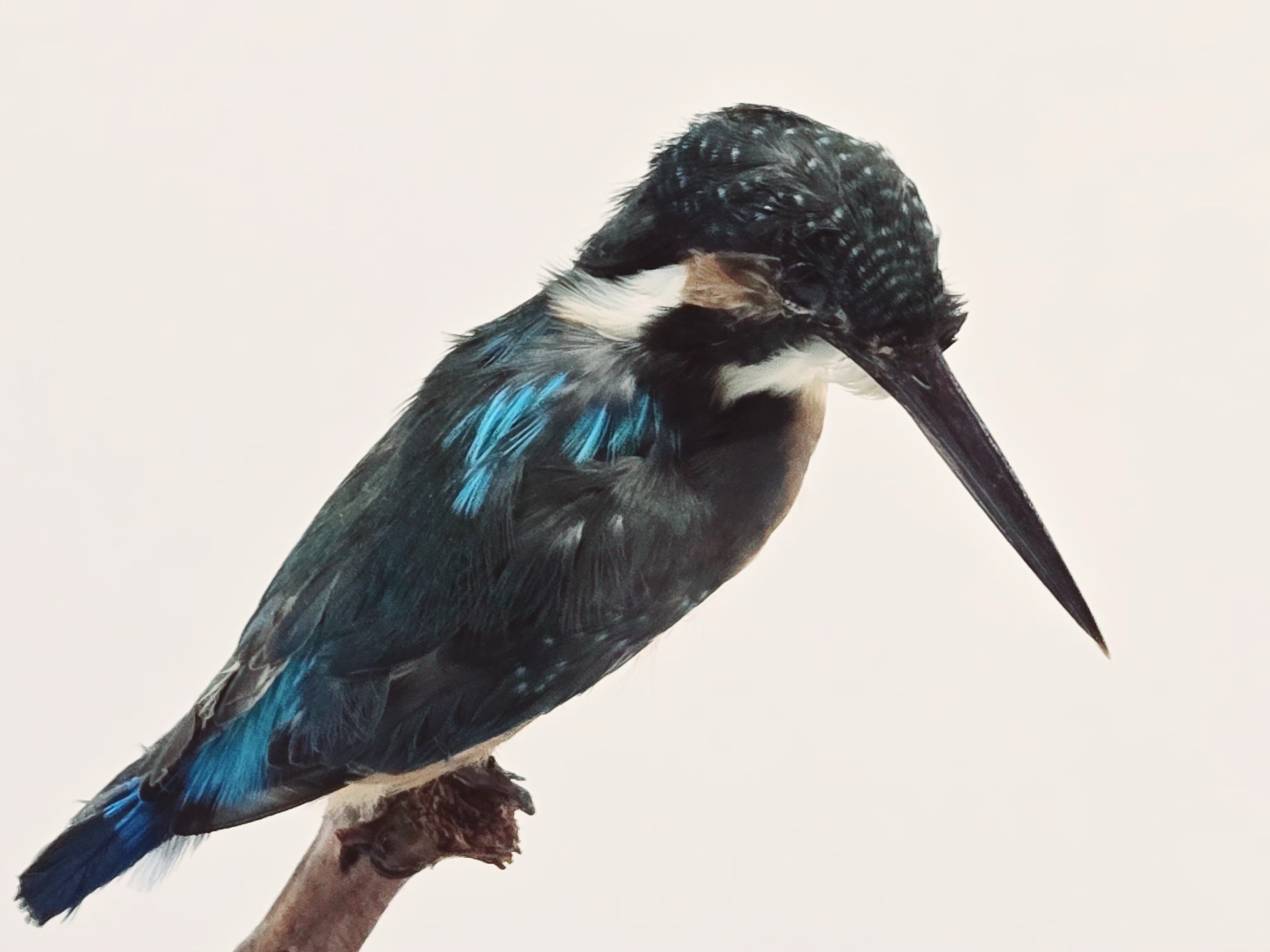
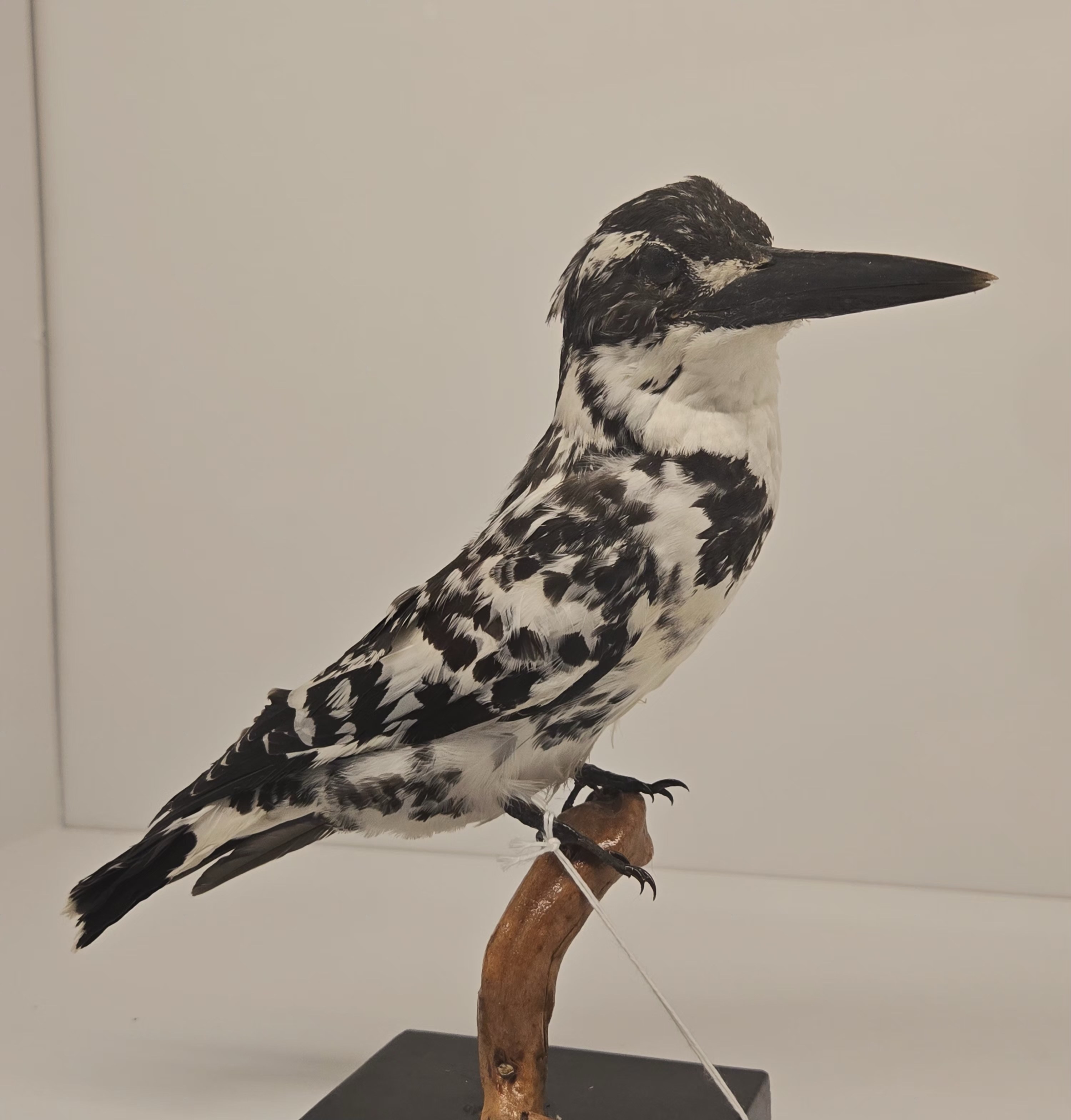
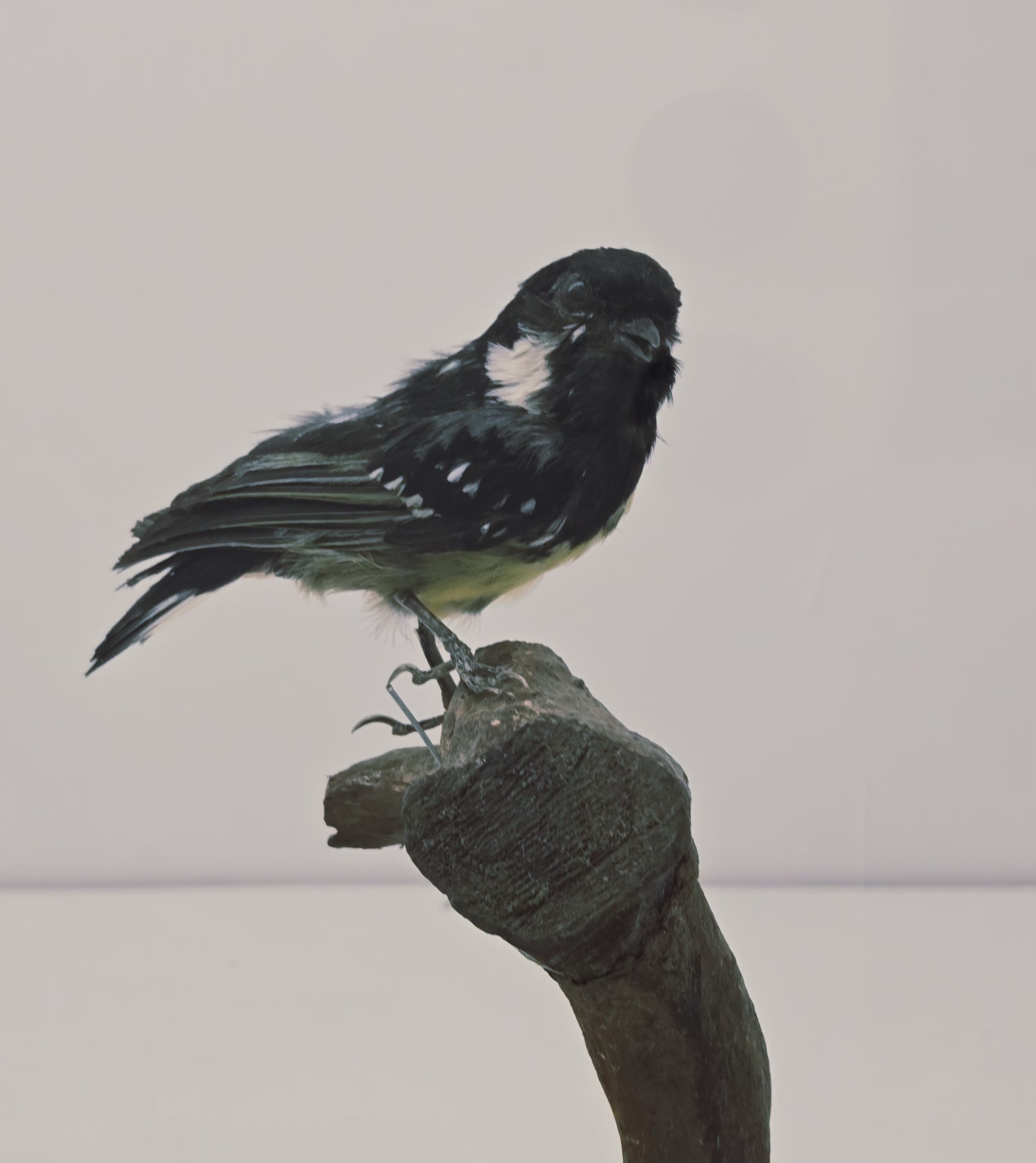
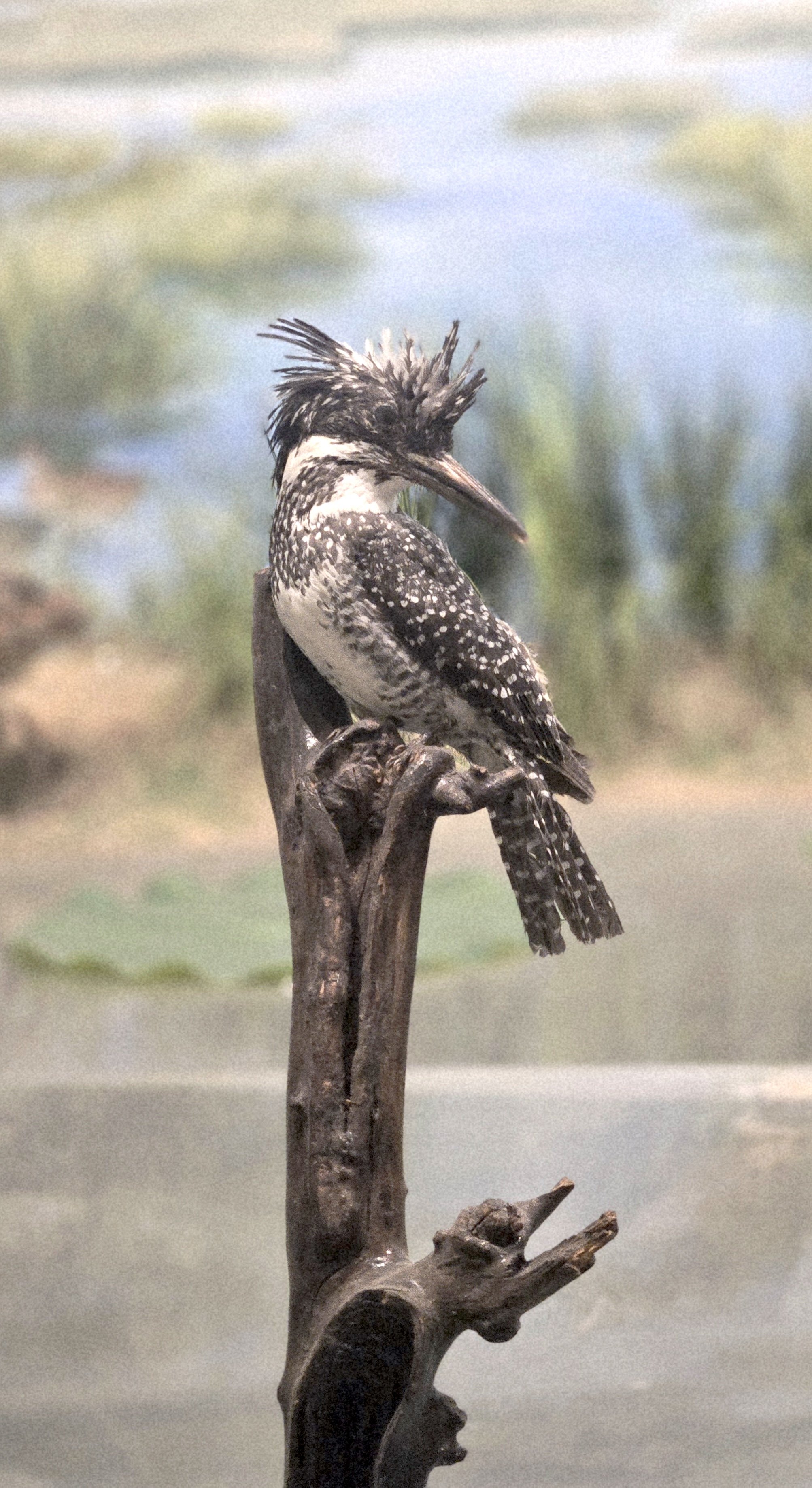
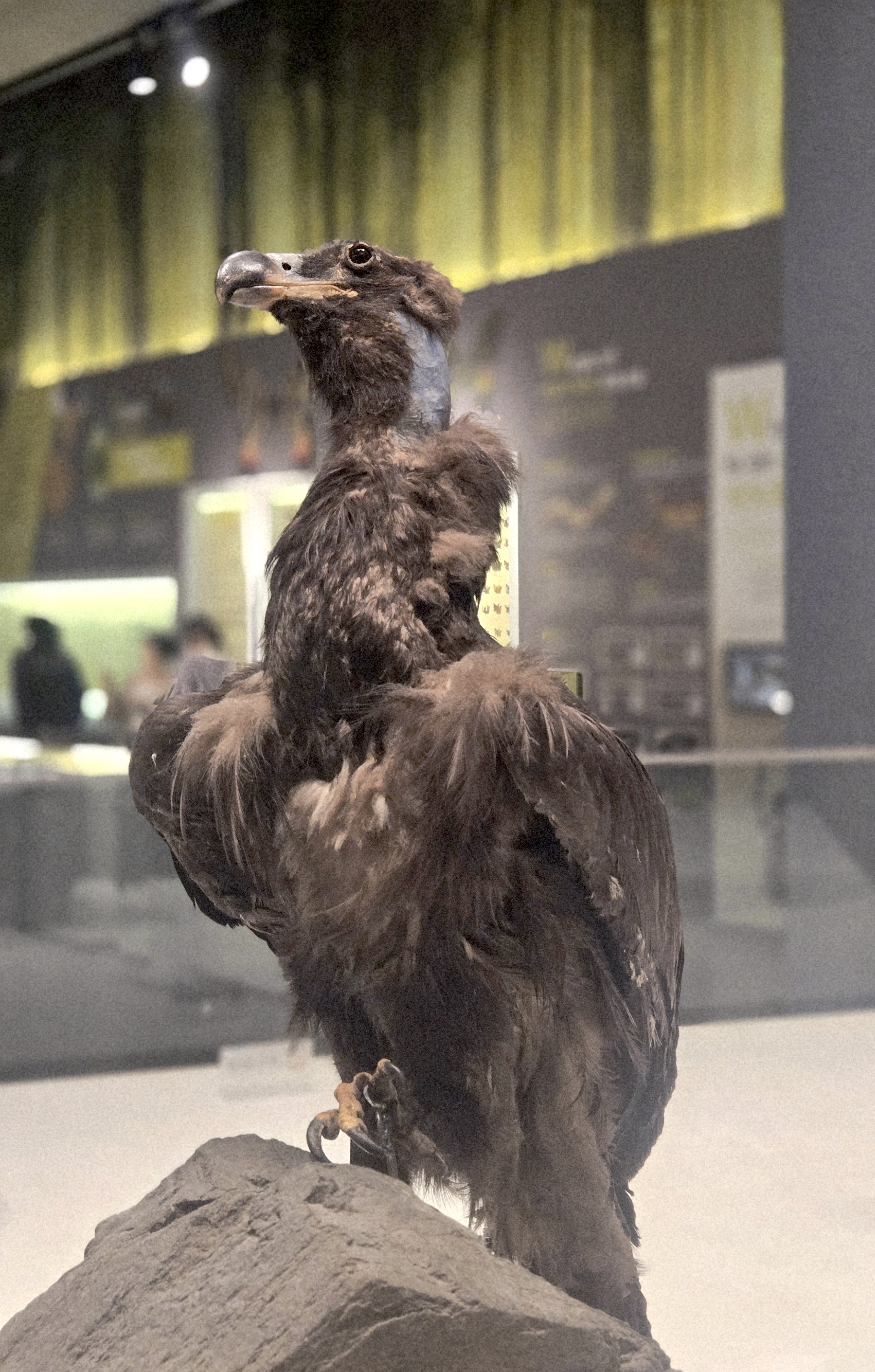
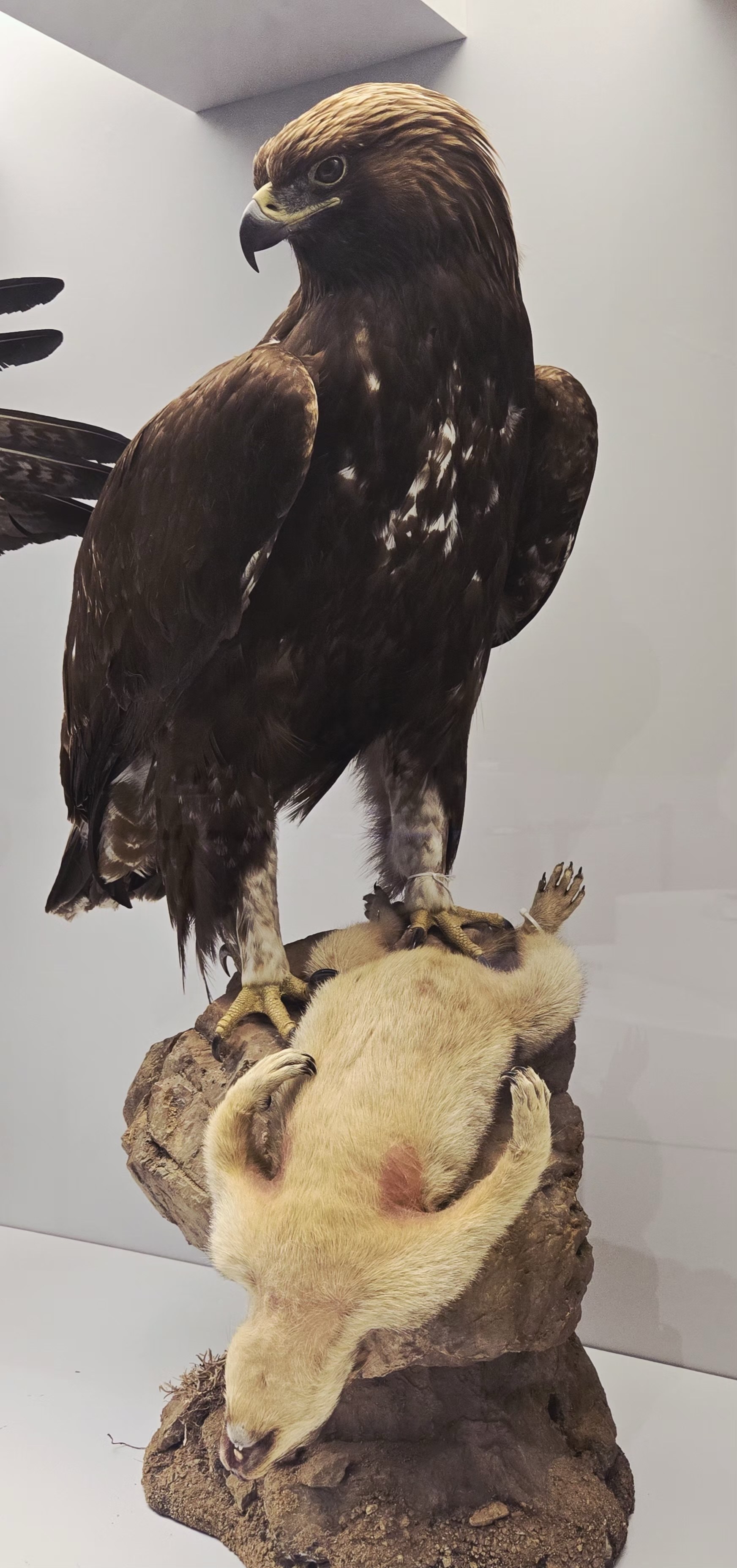
The museum was completed in 2022. Tickets are only 20 RMB (half price for students). The entrance is right across from the subway station — just swipe your ID card to get in. I visited on Tuesday, March 17th; it wasn’t crowded, so I could take in the exhibits at my own pace.
The weather was perfect today — camellias and other flowers I couldn’t name were mostly in bloom outside.
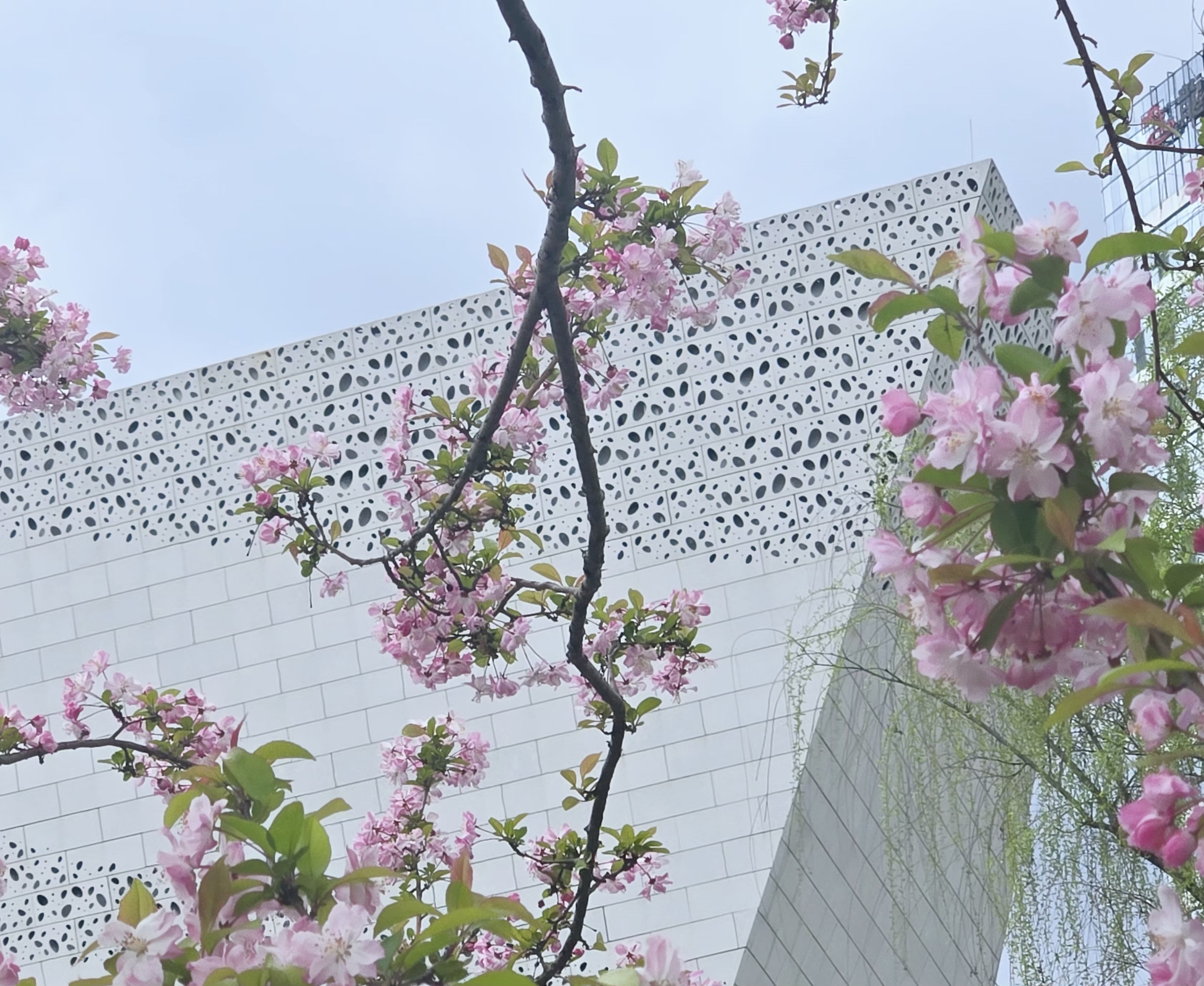
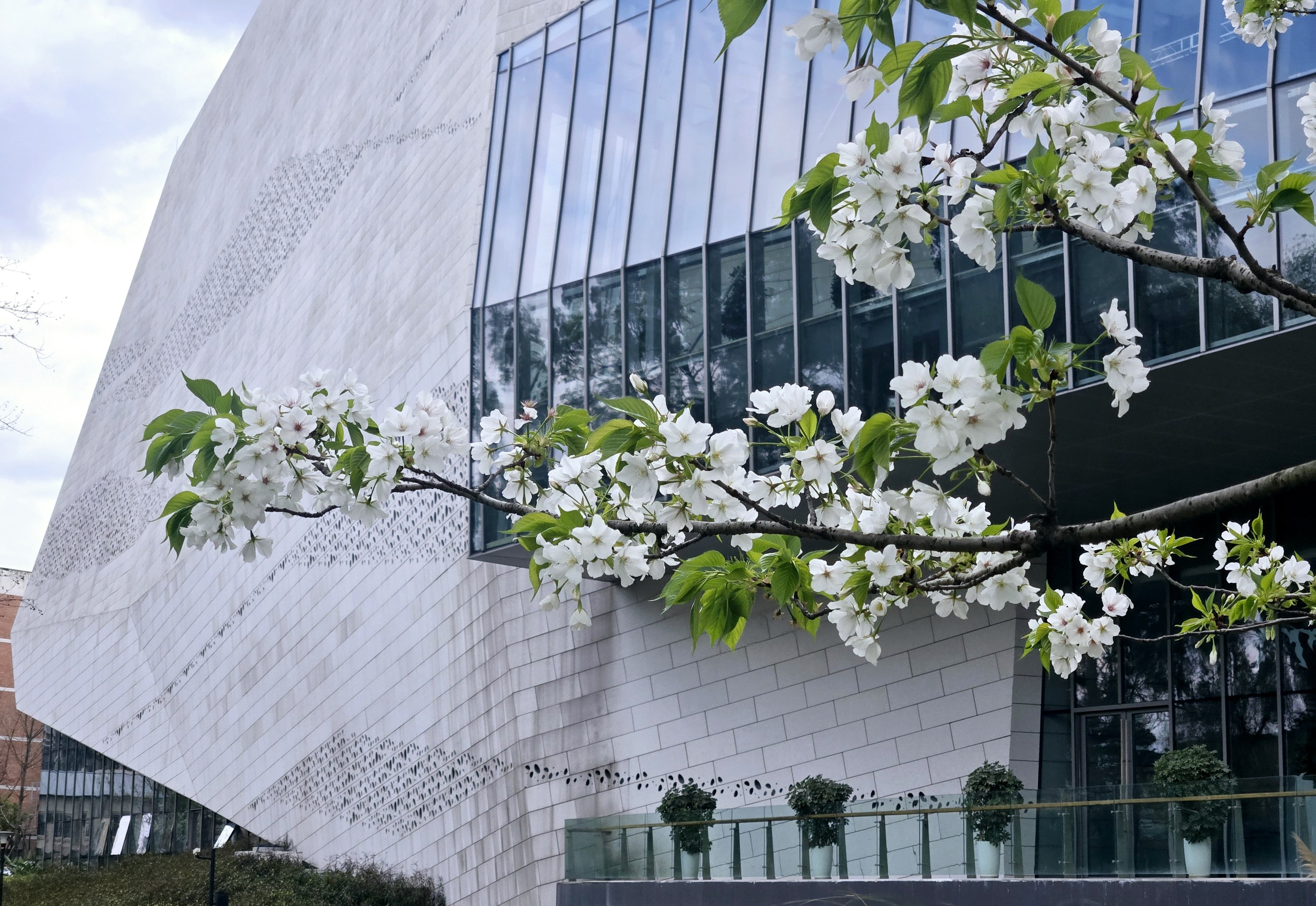
📷: GnixAij’s Gallery | 成都自然博物馆
Geology & Mineral Resources Halls
The first floor has these two halls, showcasing minerals, ores, gemstones, and the like.
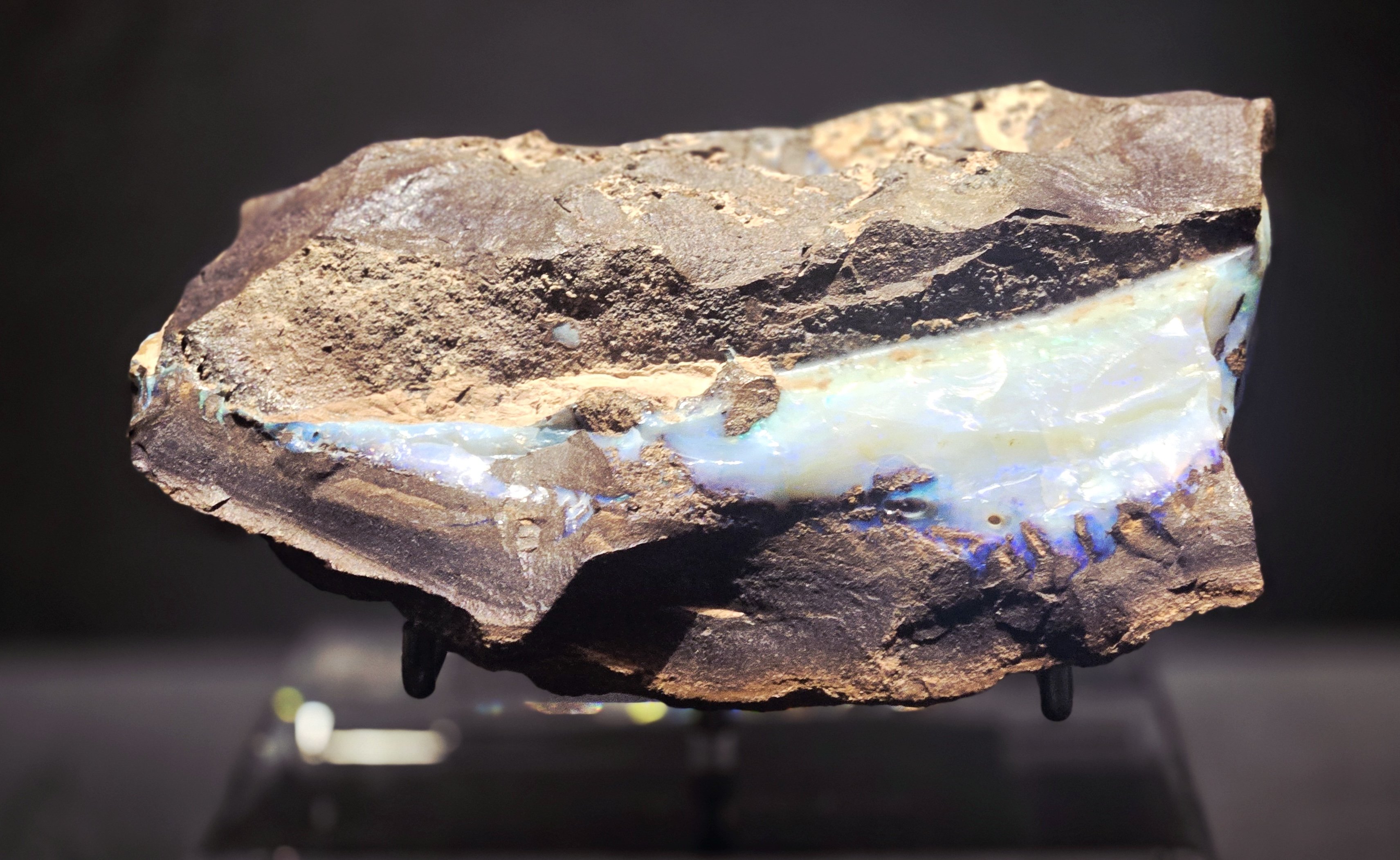
What stuck with me was stibnite (). Back in high school chemistry, memorizing the periodic table meant antimony was impossible to forget — its symbol is , which is, well, a rather juvenile association.
Another juvenile memory: our chemistry teacher habitually ended sentences with “ba” (吧). During organic chemistry, it went something like: “This is a methyl group, right?” (, not what you might be thinking) 🫠
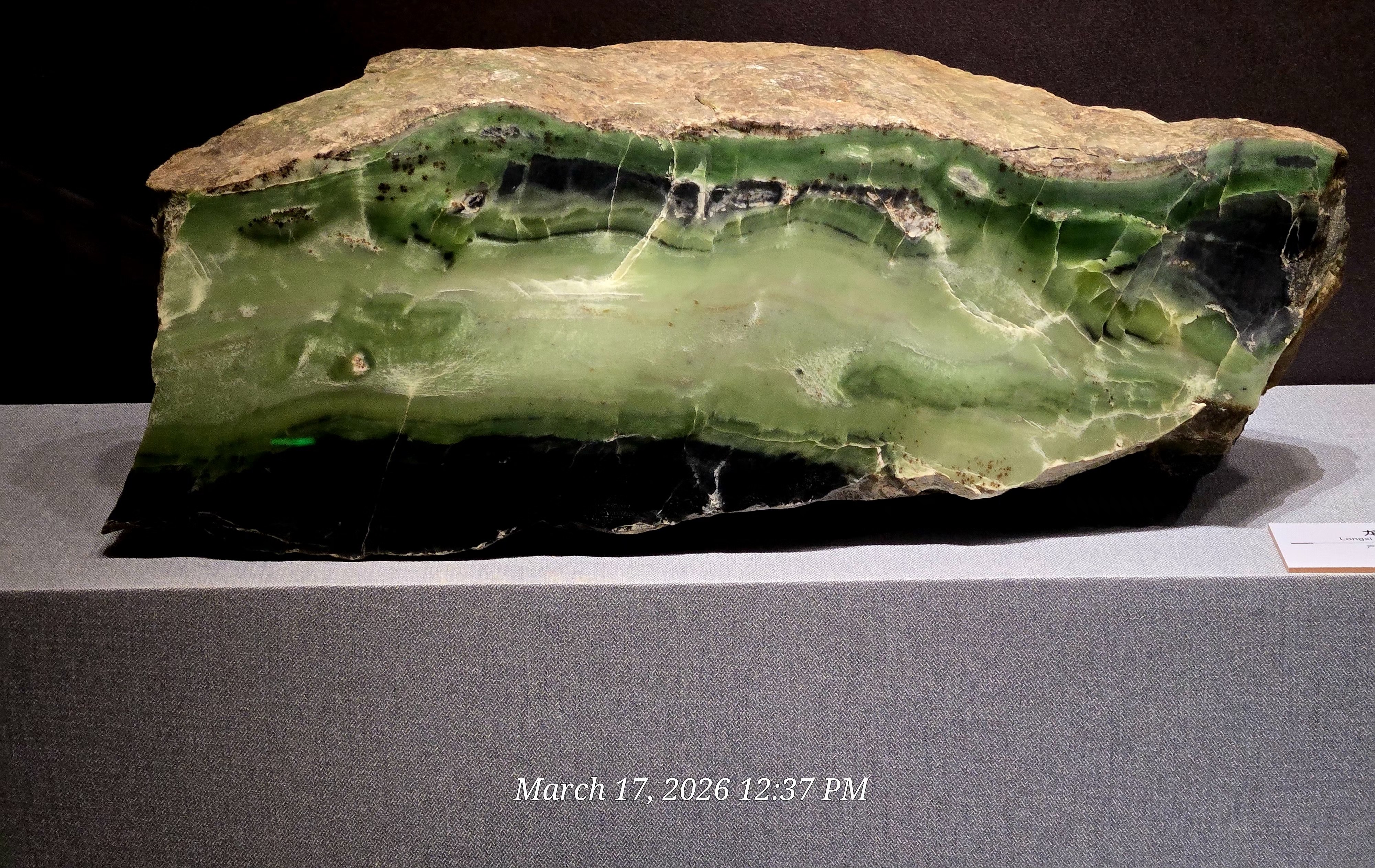
Other highlights: fluorescent fluorite, realgar, orpiment, amethyst geodes, aquamarine, petrified wood, coral…
Dinosaurs of Sichuan & Chongqing Hall & Dinosaur Exploration Hall
The Chengdu Natural History Museum evolved from the old Chengdu University of Technology Museum, whose school emblem features a dinosaur. Naturally, dinosaurs are a centerpiece here.
The star exhibit is a Hechuan Mamenchisaurus skeleton fossil — 24 meters long and 3.5 meters tall at the back, making it the largest complete dinosaur specimen in Asia. Related history: The Hechuan Mamenchisaurus was unearthed in 1957 from purplish-red sandstone in Taihe Town, Hechuan County, Sichuan. The Sichuan Provincial Museum excavated it, then transferred it to the Chengdu University of Technology Museum, which later sent it to the Institute of Vertebrate Paleontology and Paleoanthropology in Beijing for study.
The Dinosaurs of Sichuan & Chongqing Hall and the Dinosaur Exploration Hall are right next to each other. I visited the Exploration Hall first, then went up to the third floor for the Origins of Life Hall — on the way there you can also see bird photography. After that, I came back down to the second floor for the Sichuan & Chongqing Hall.
The 24-meter Mamenchisaurus skeleton is in the Sichuan & Chongqing Hall, and near the exit there’s also a standing Mamenchisaurus.
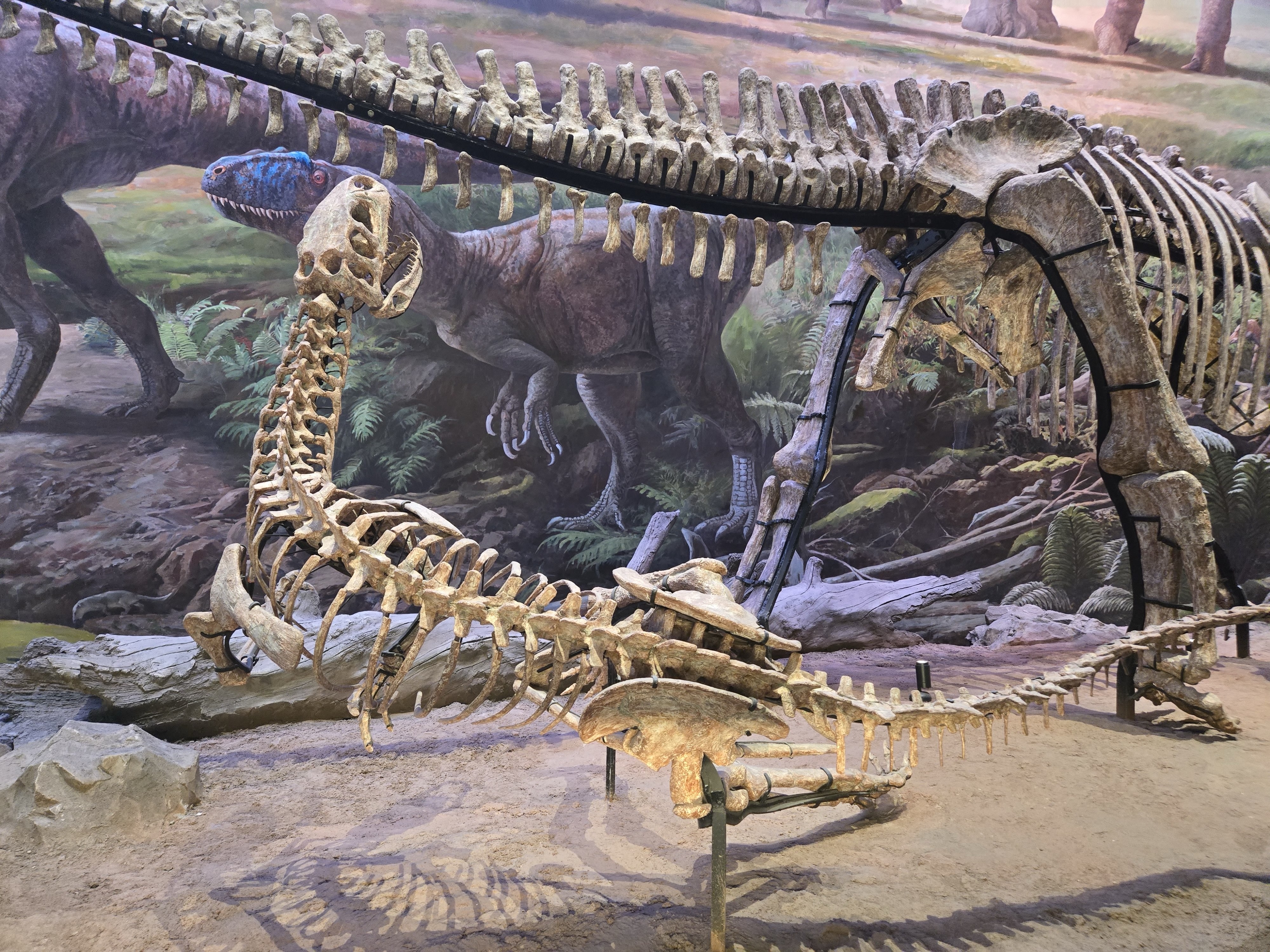
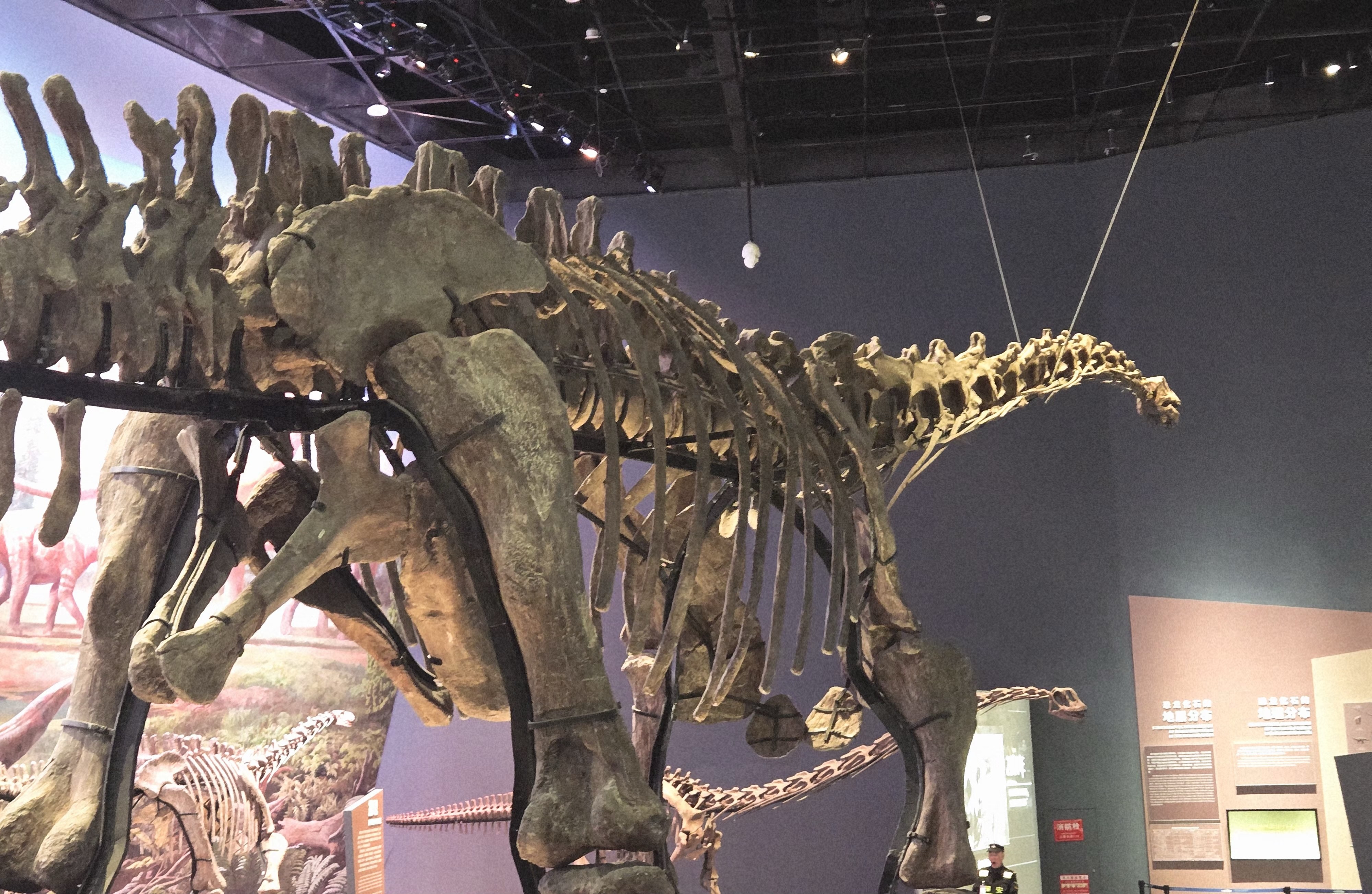
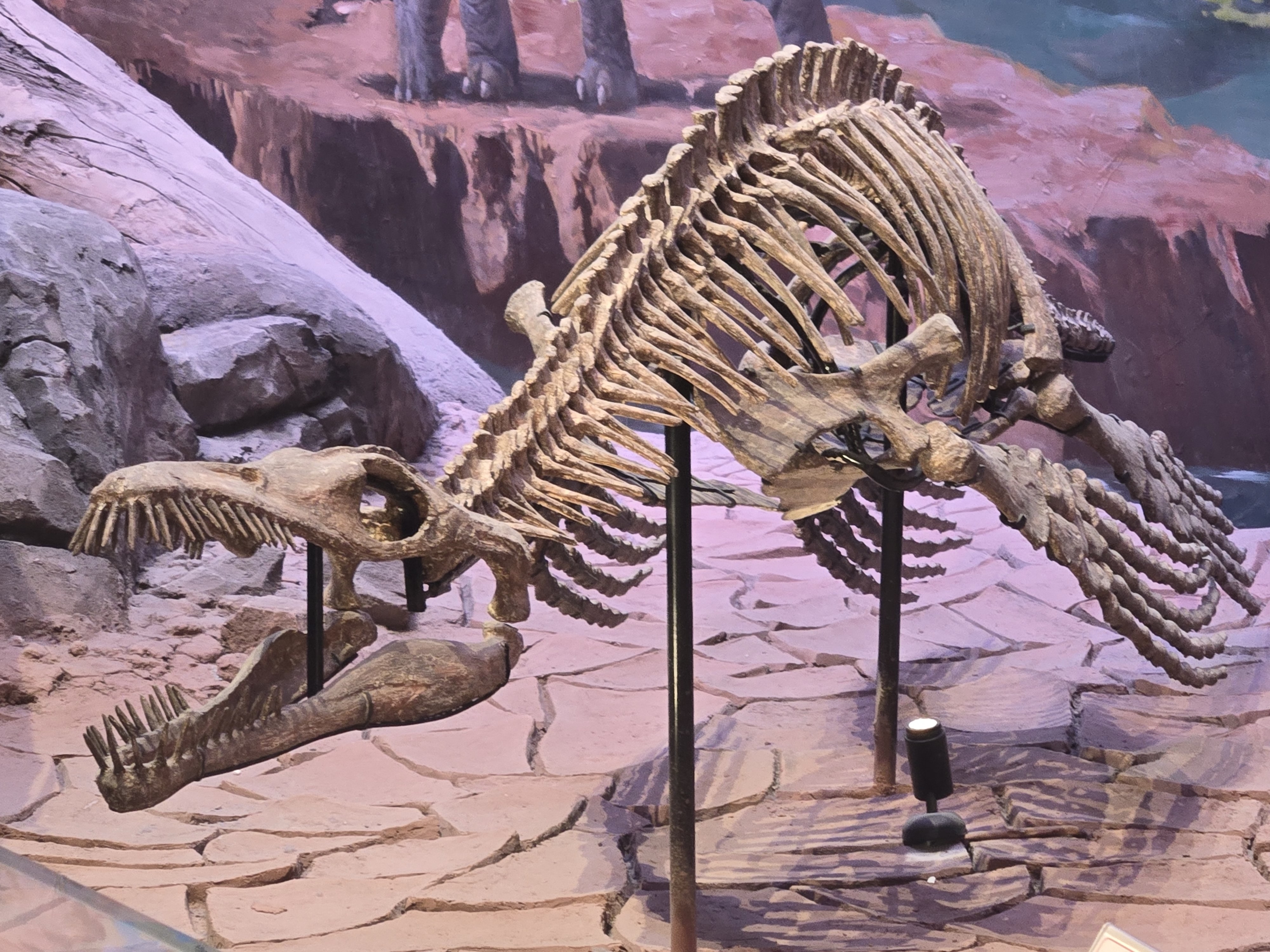
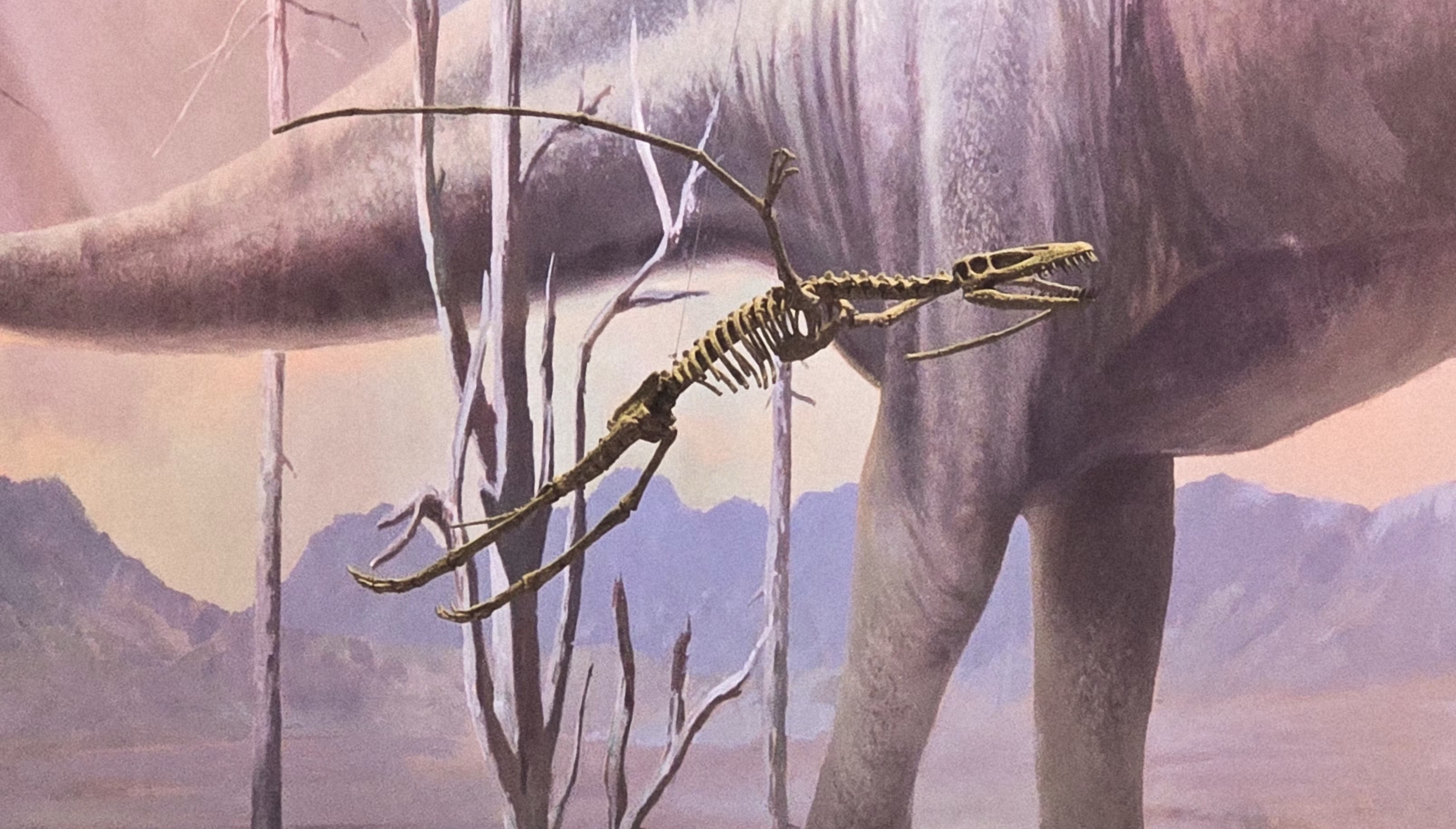
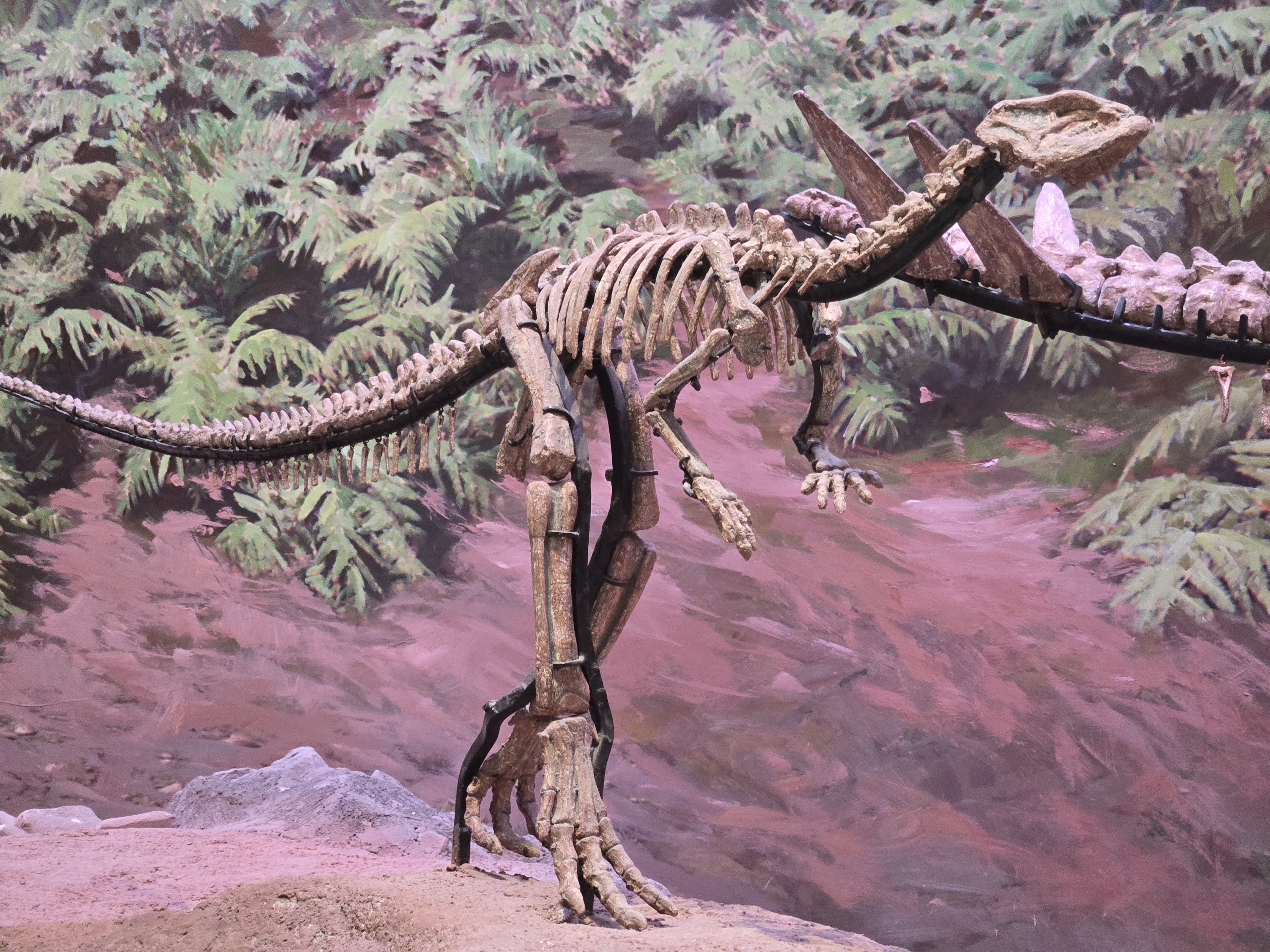
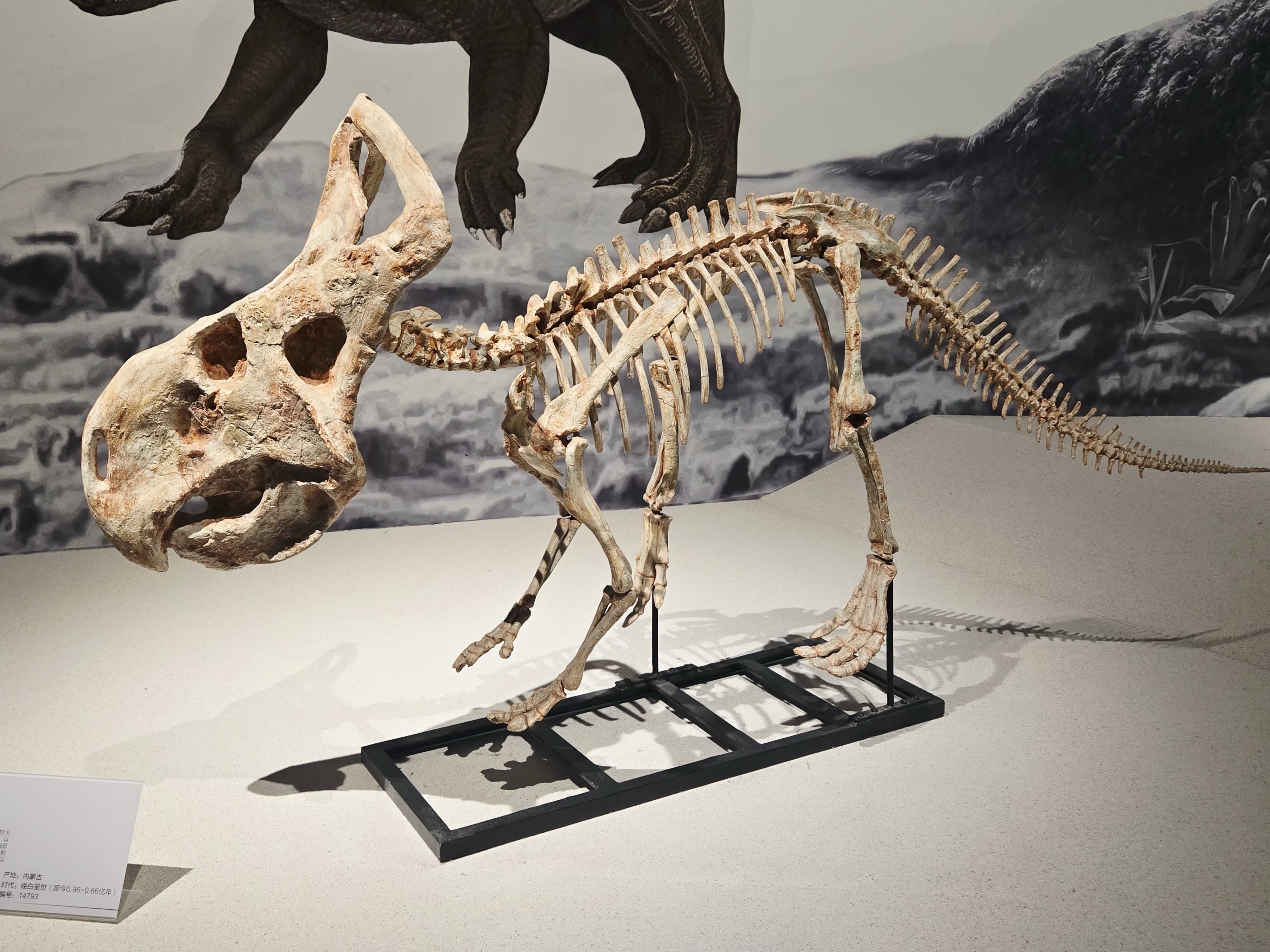
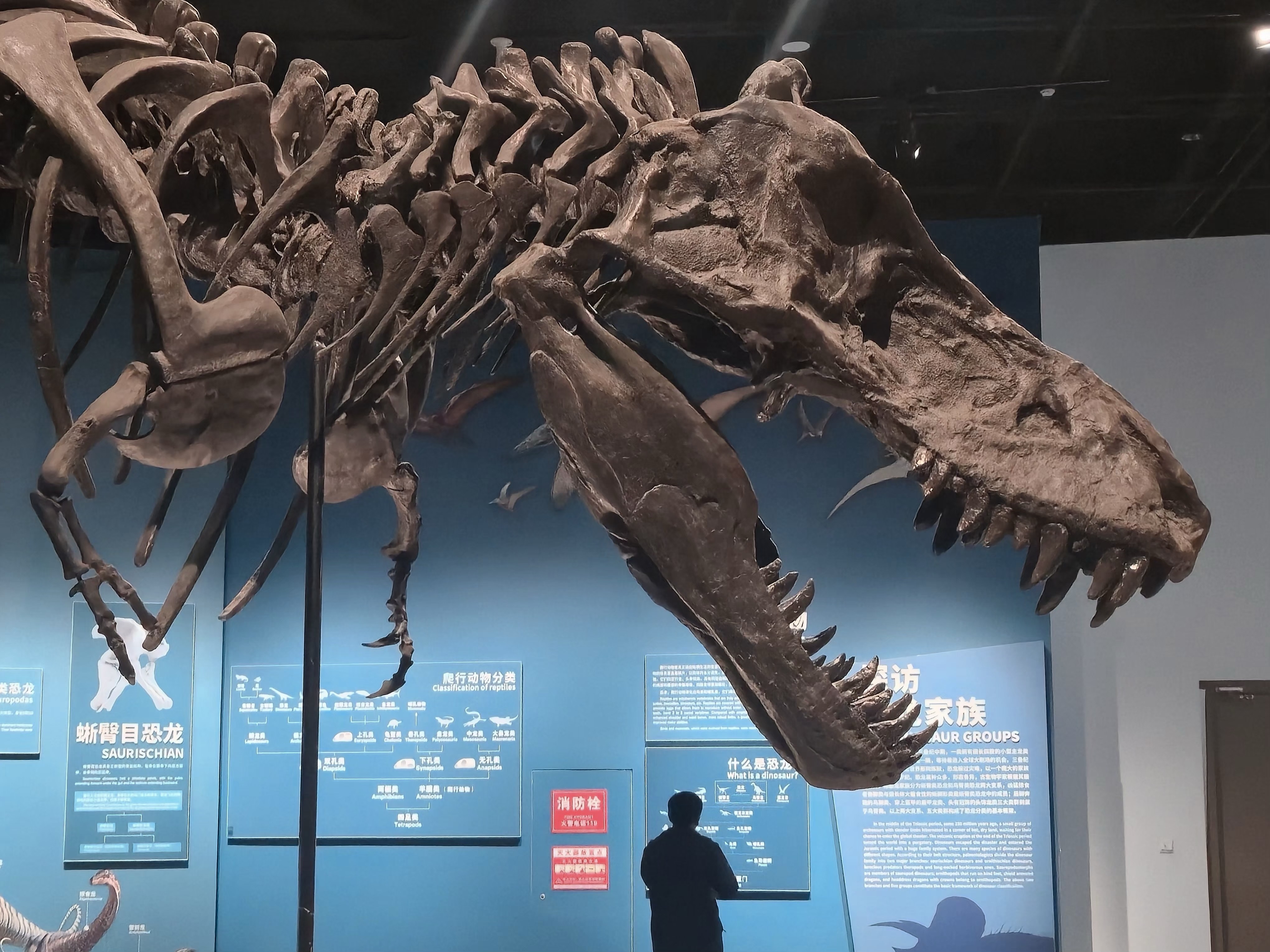
Dinosaur Exploration Hall
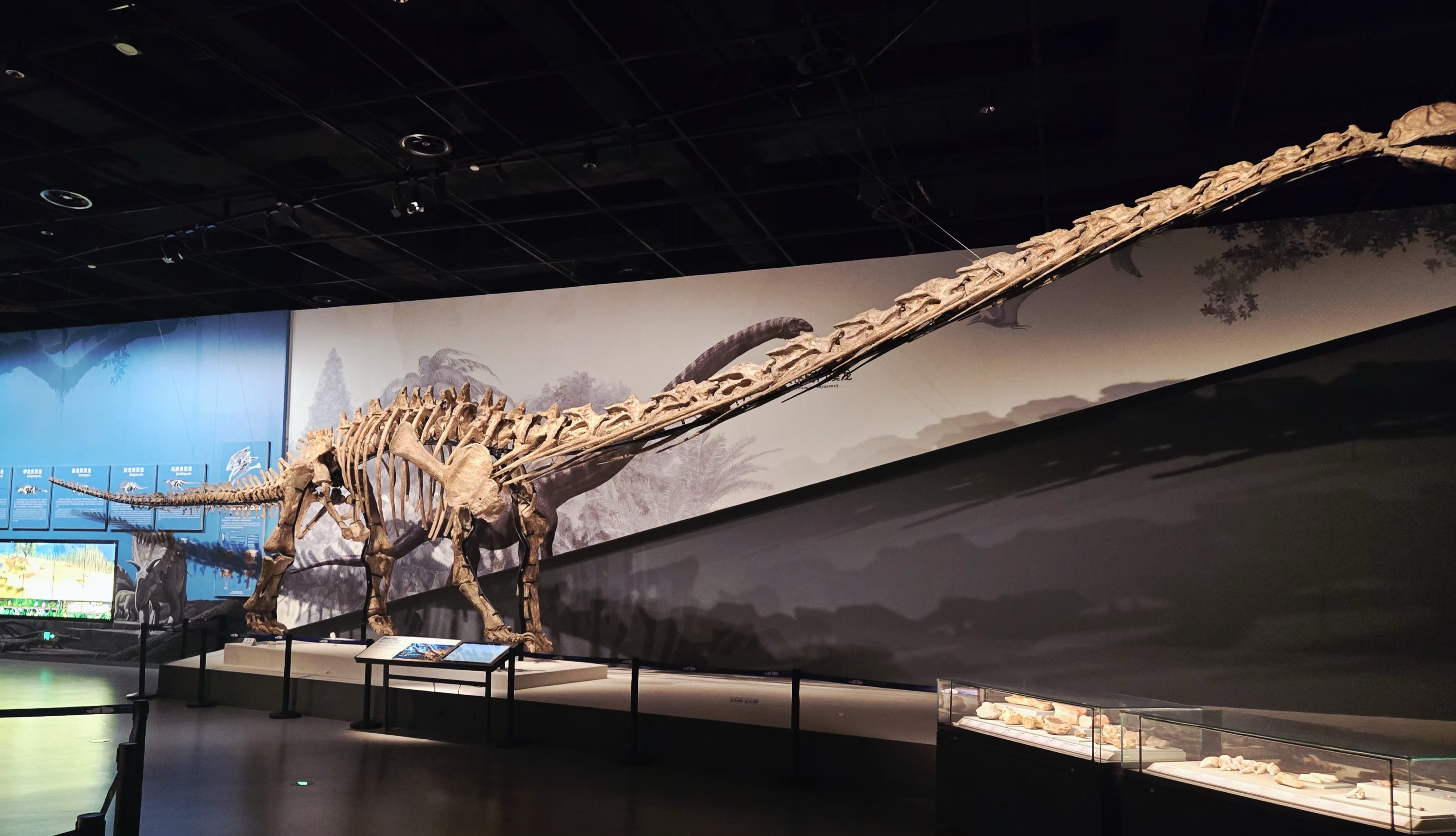
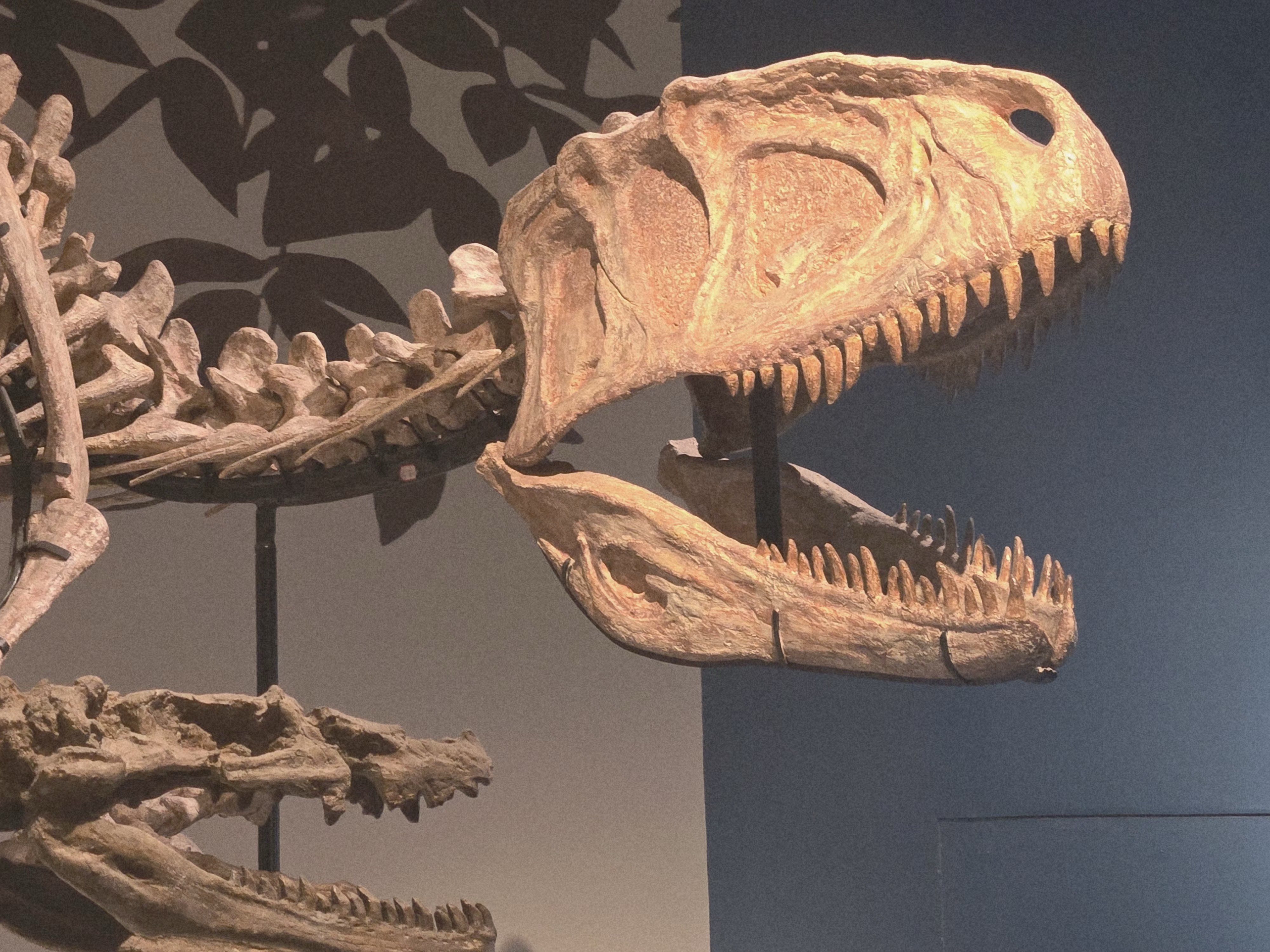
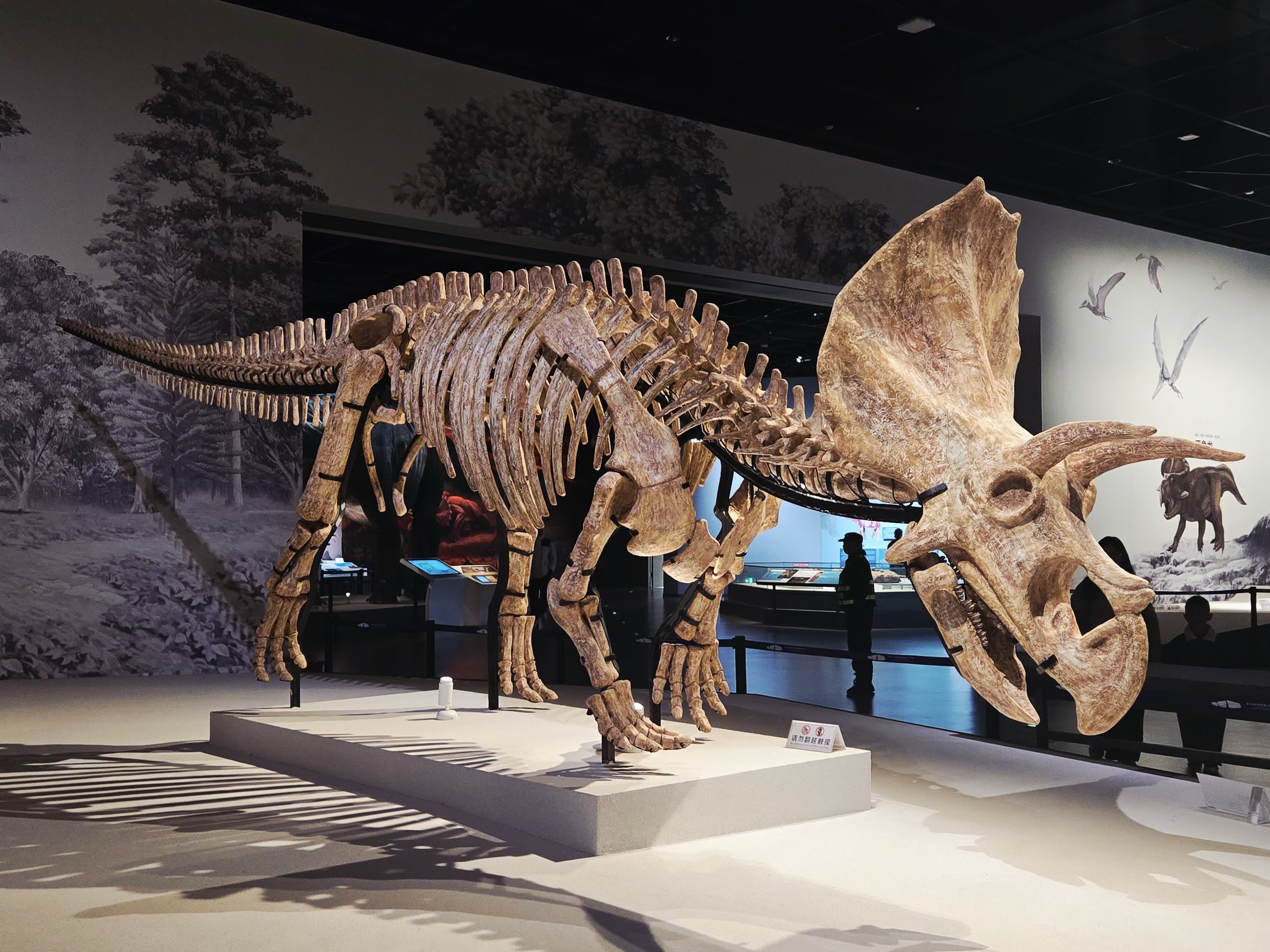
Origins of Life Hall
The seats are quite comfortable, and the human origins section is interesting. I’m not entirely sure whether the Lystrosaurus model was in this exhibit, but it was pretty cute.
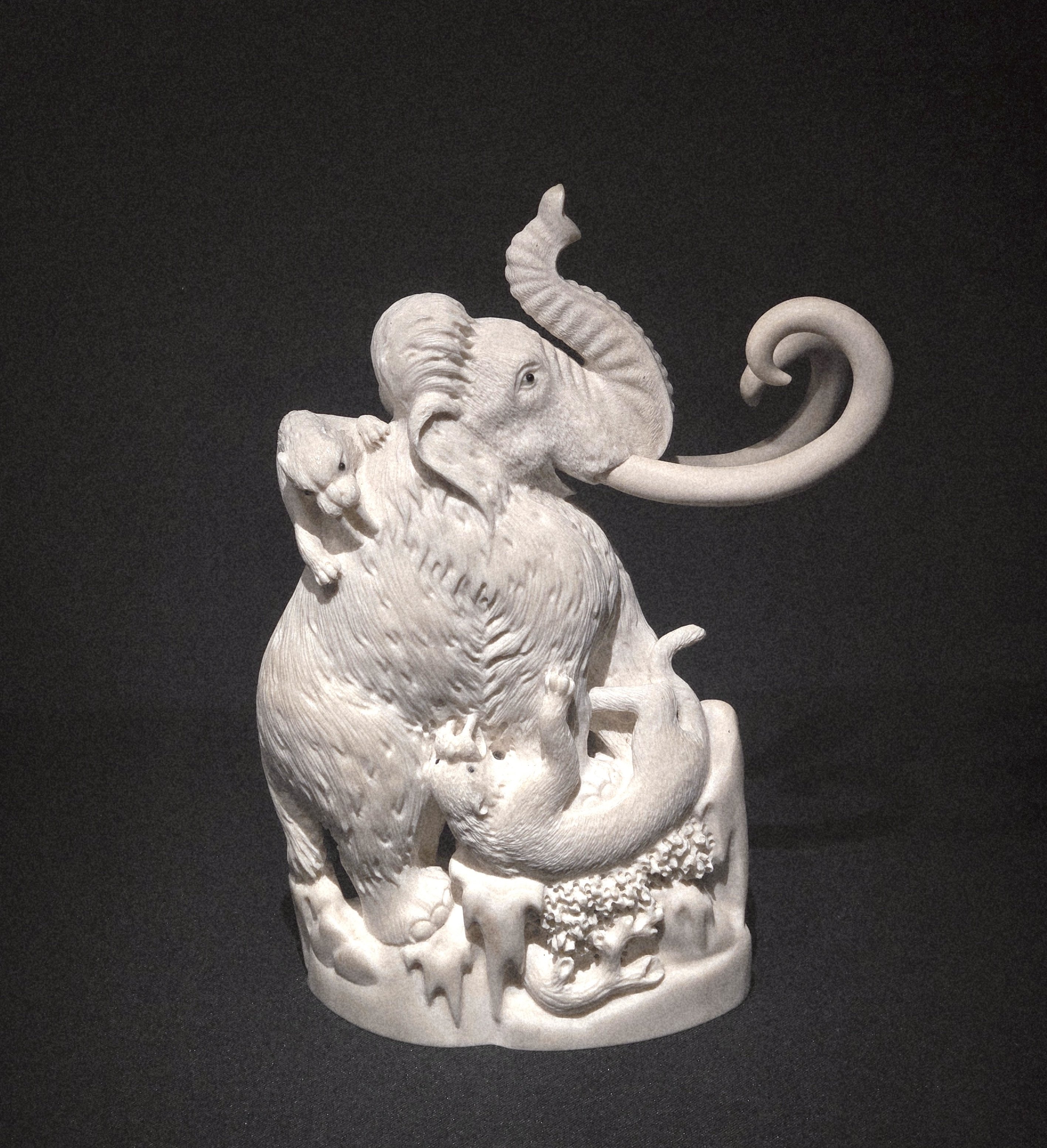
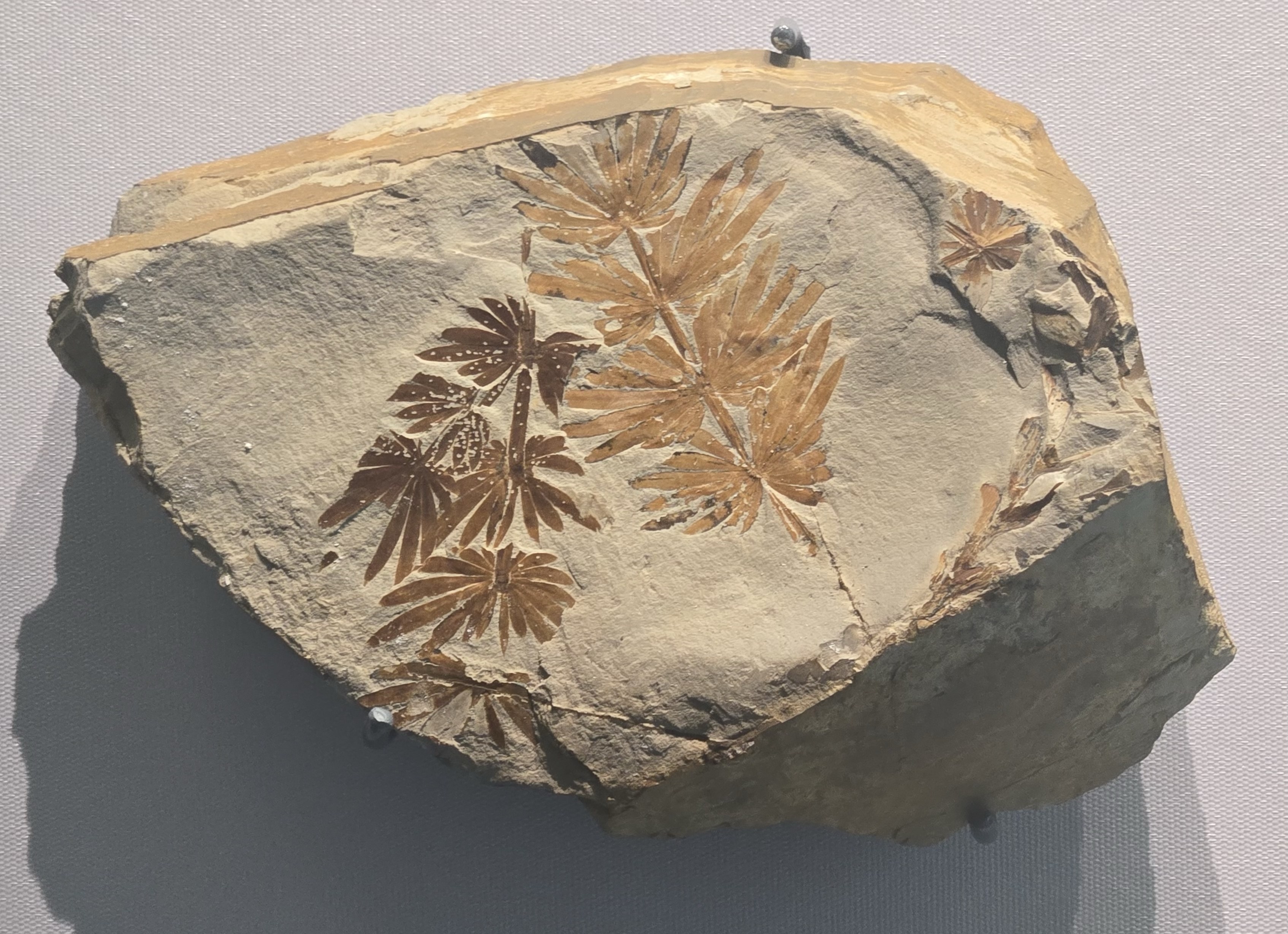
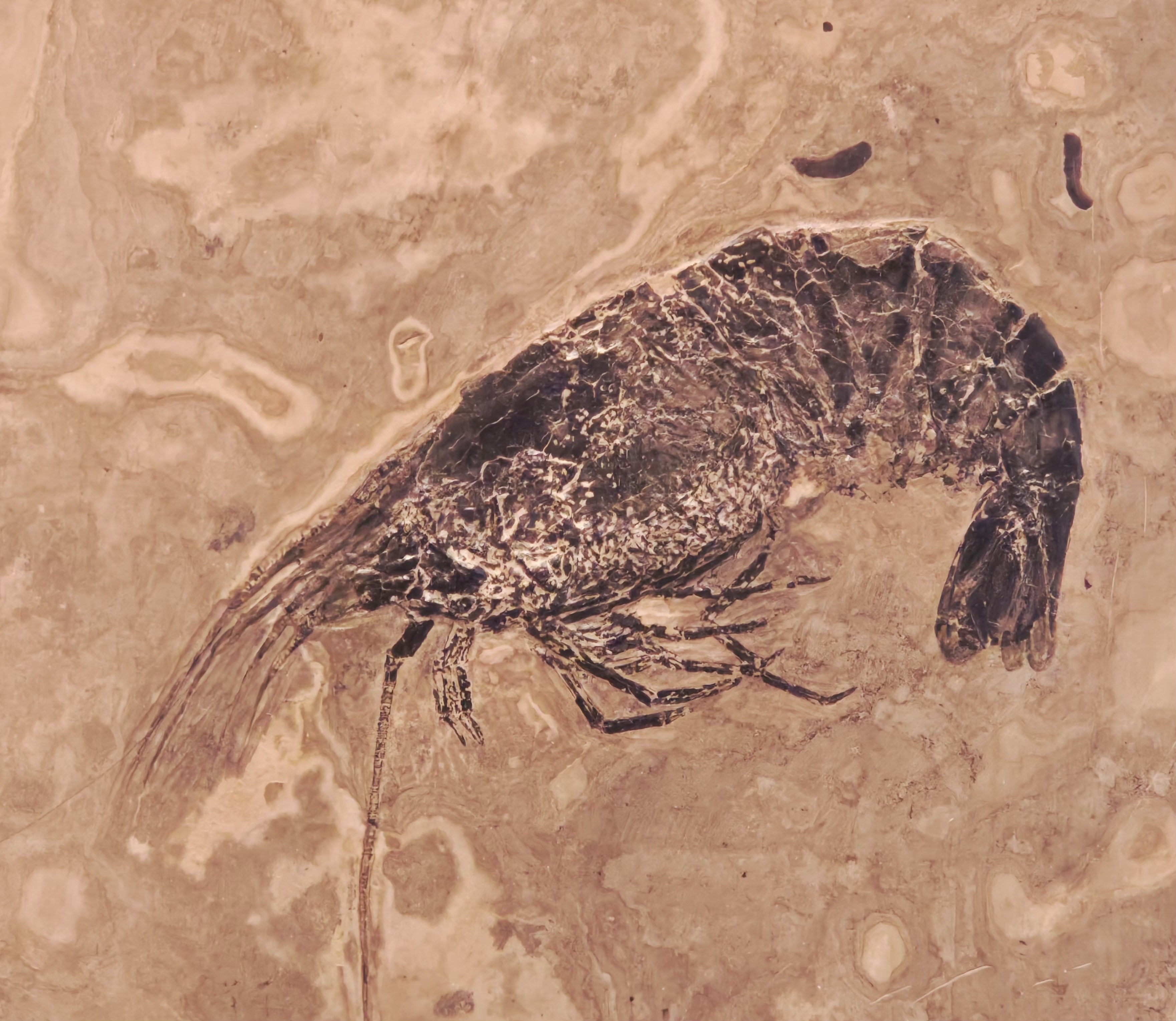
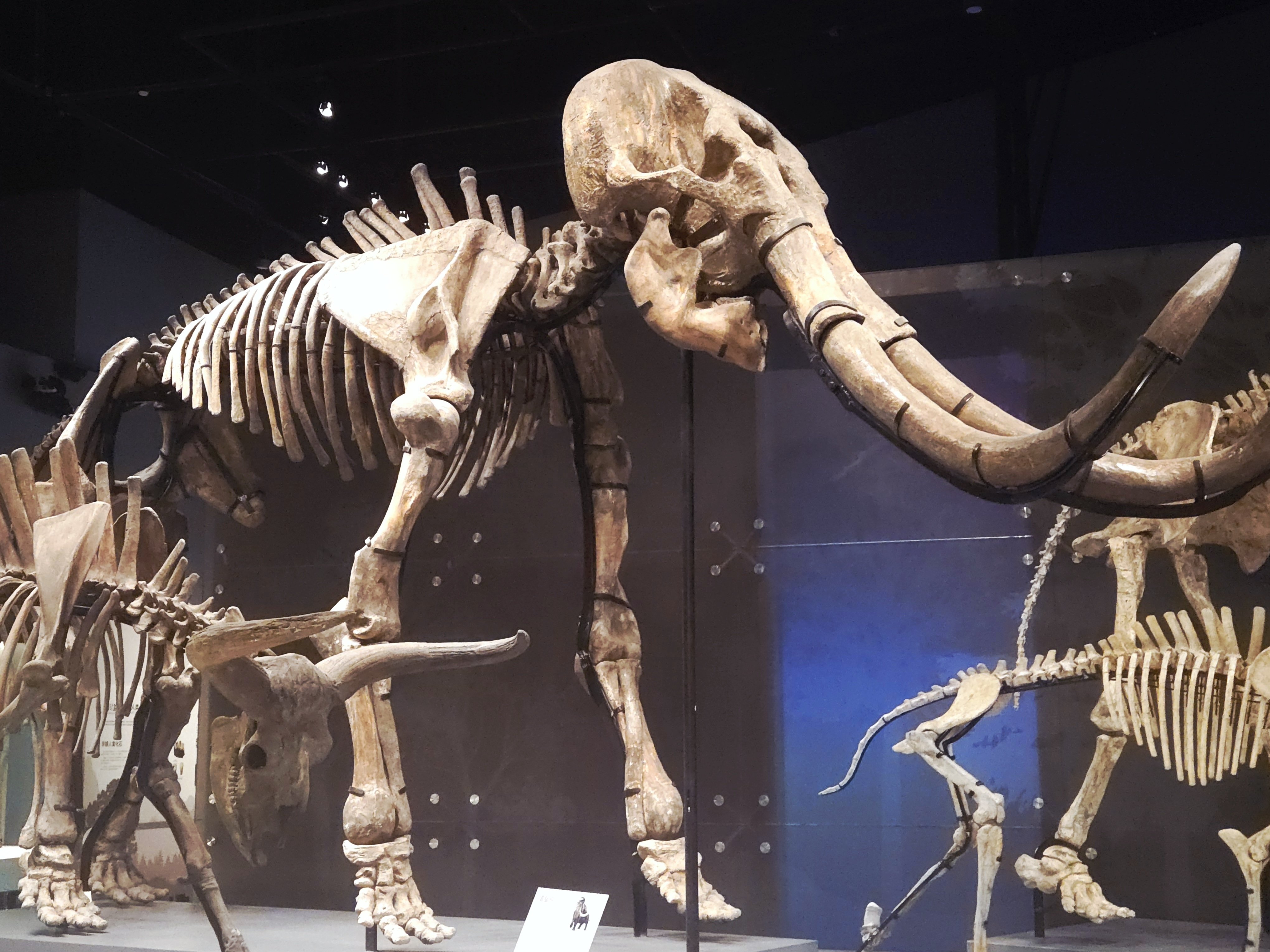
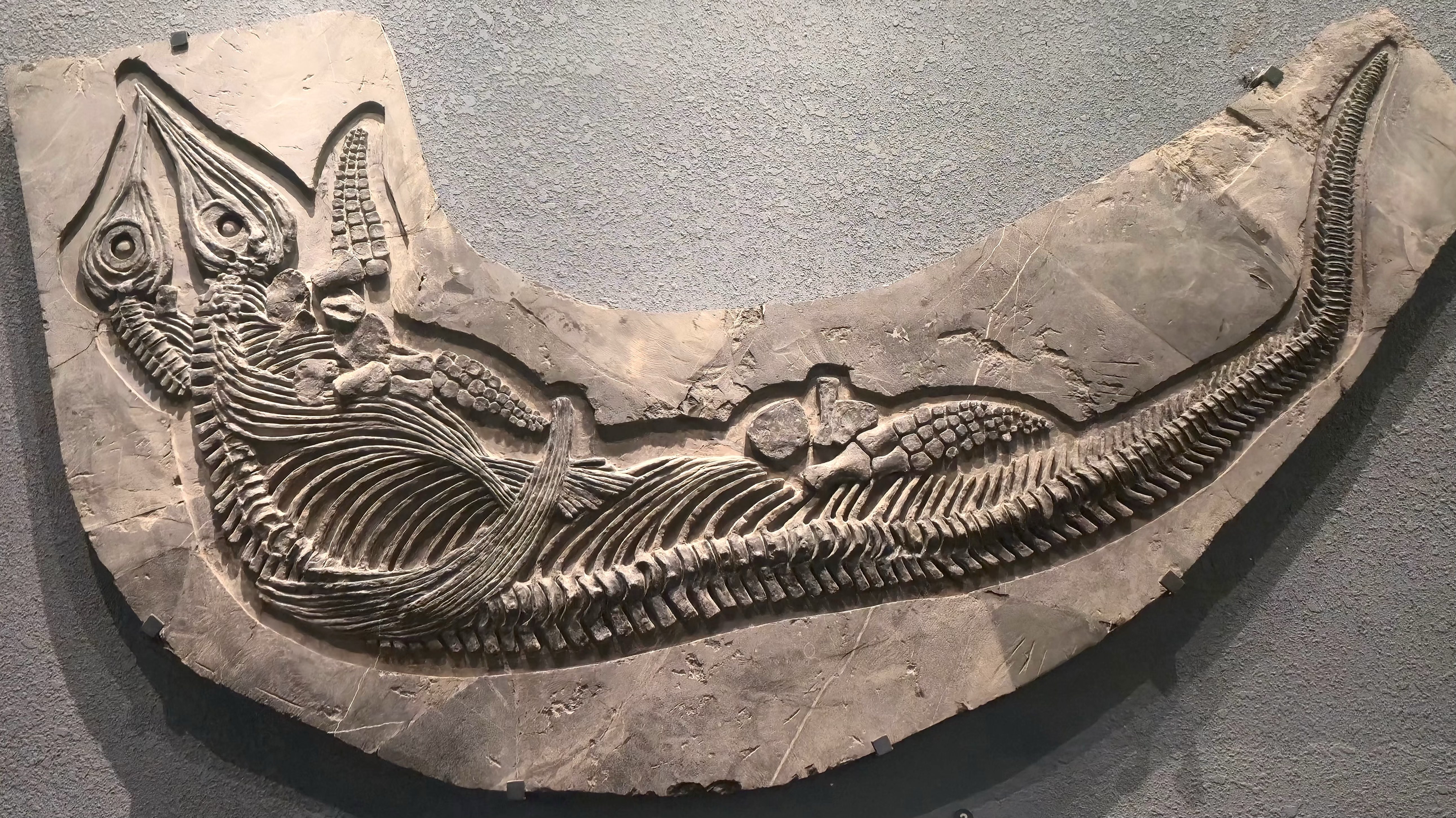
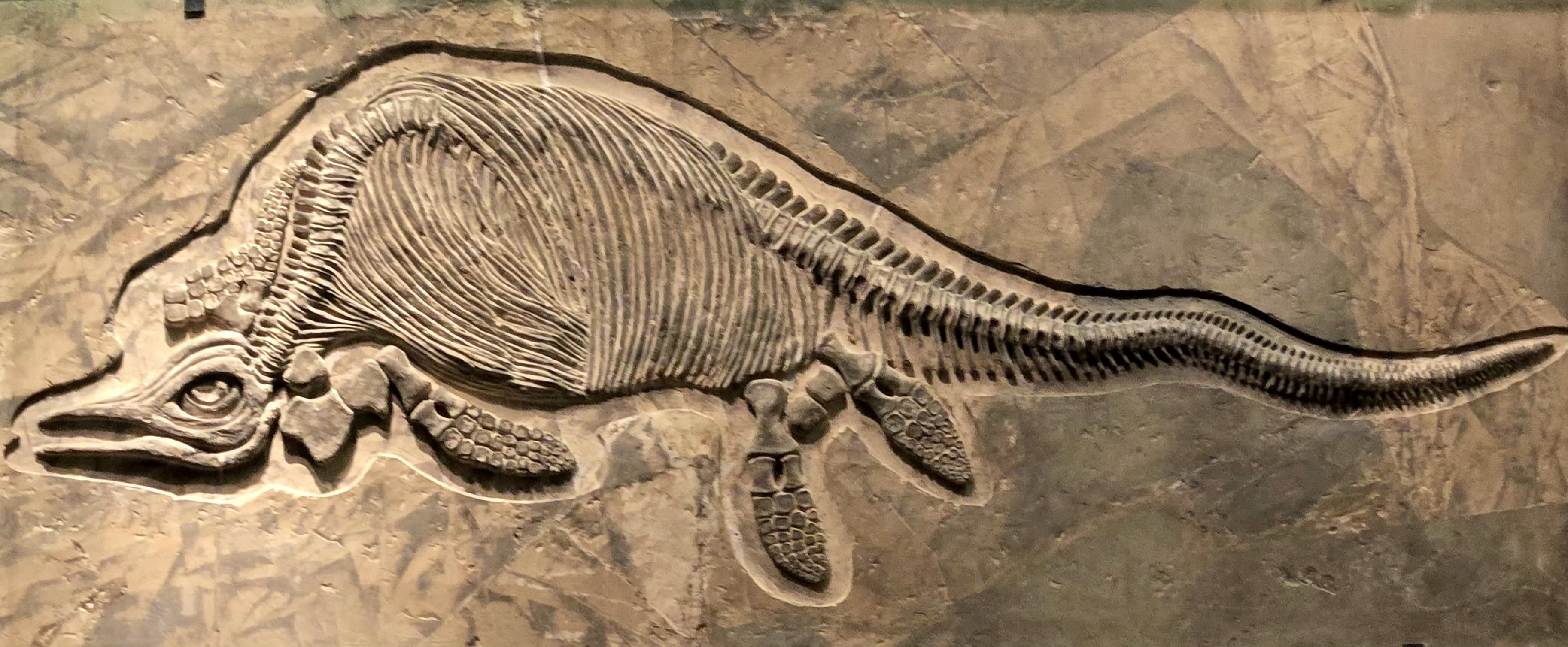
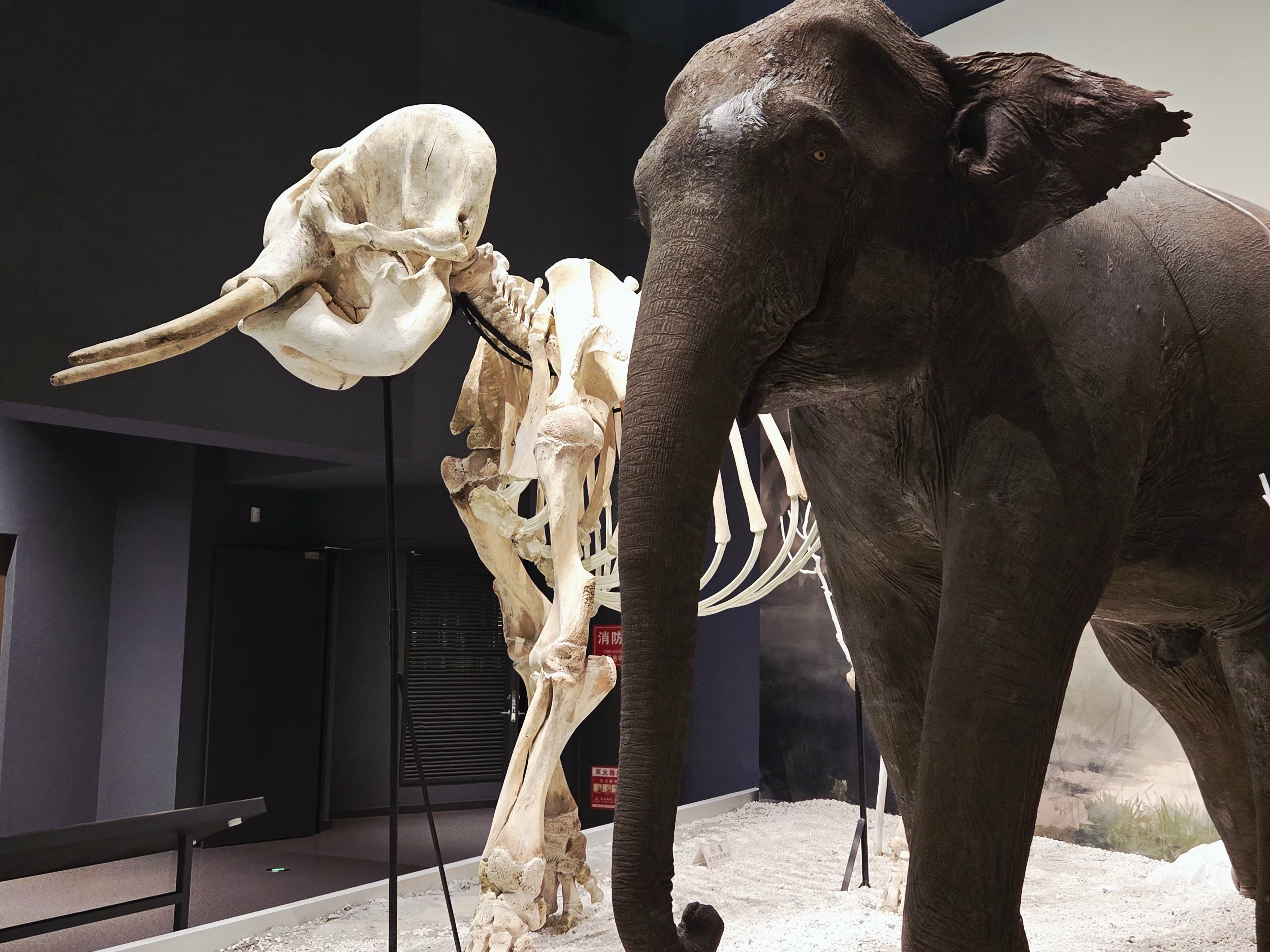
The mammoth, shovel-tusked elephant, and a 10-meter Shastasaurus fossil were quite striking.
Colorful Life Hall
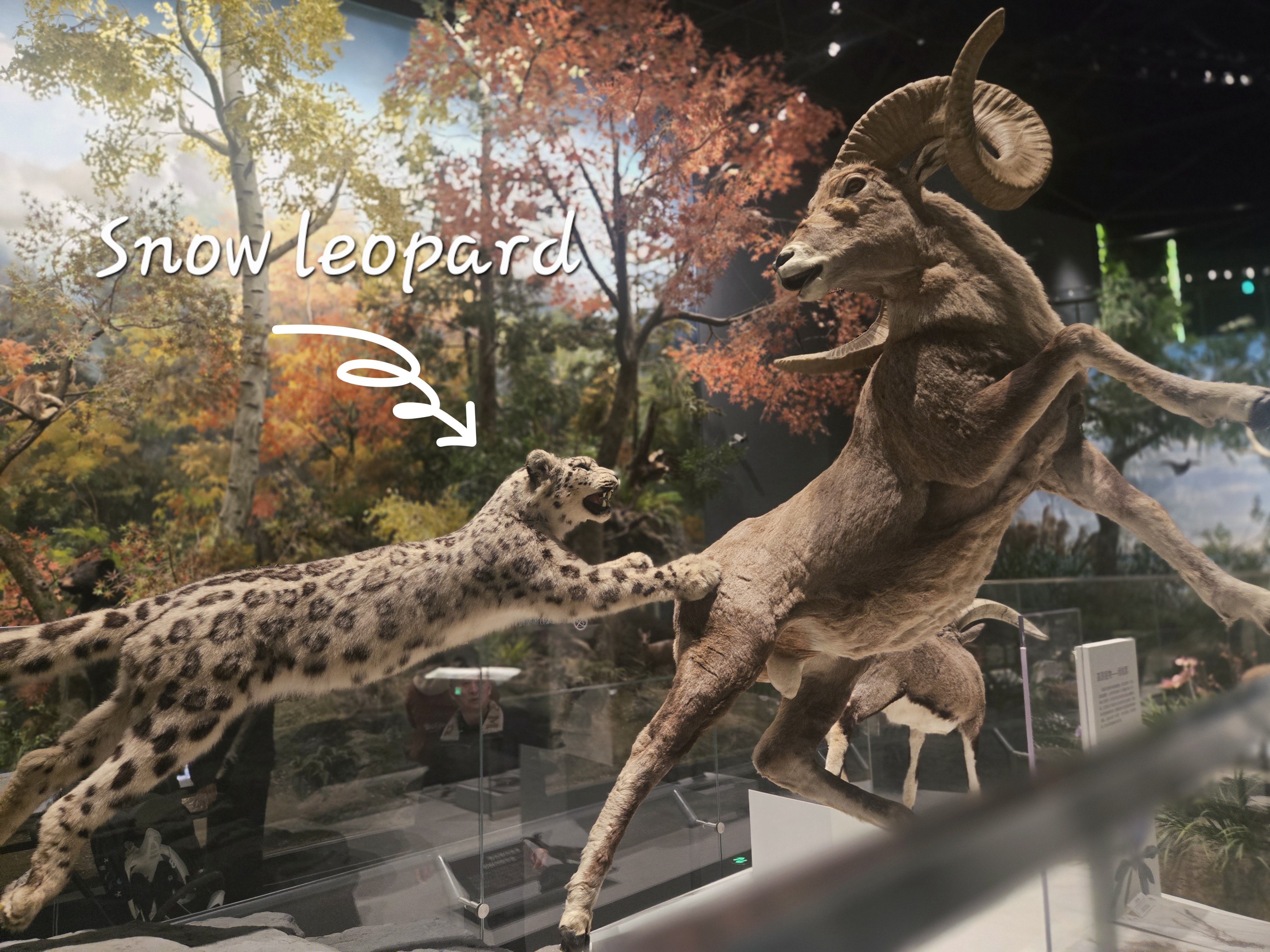
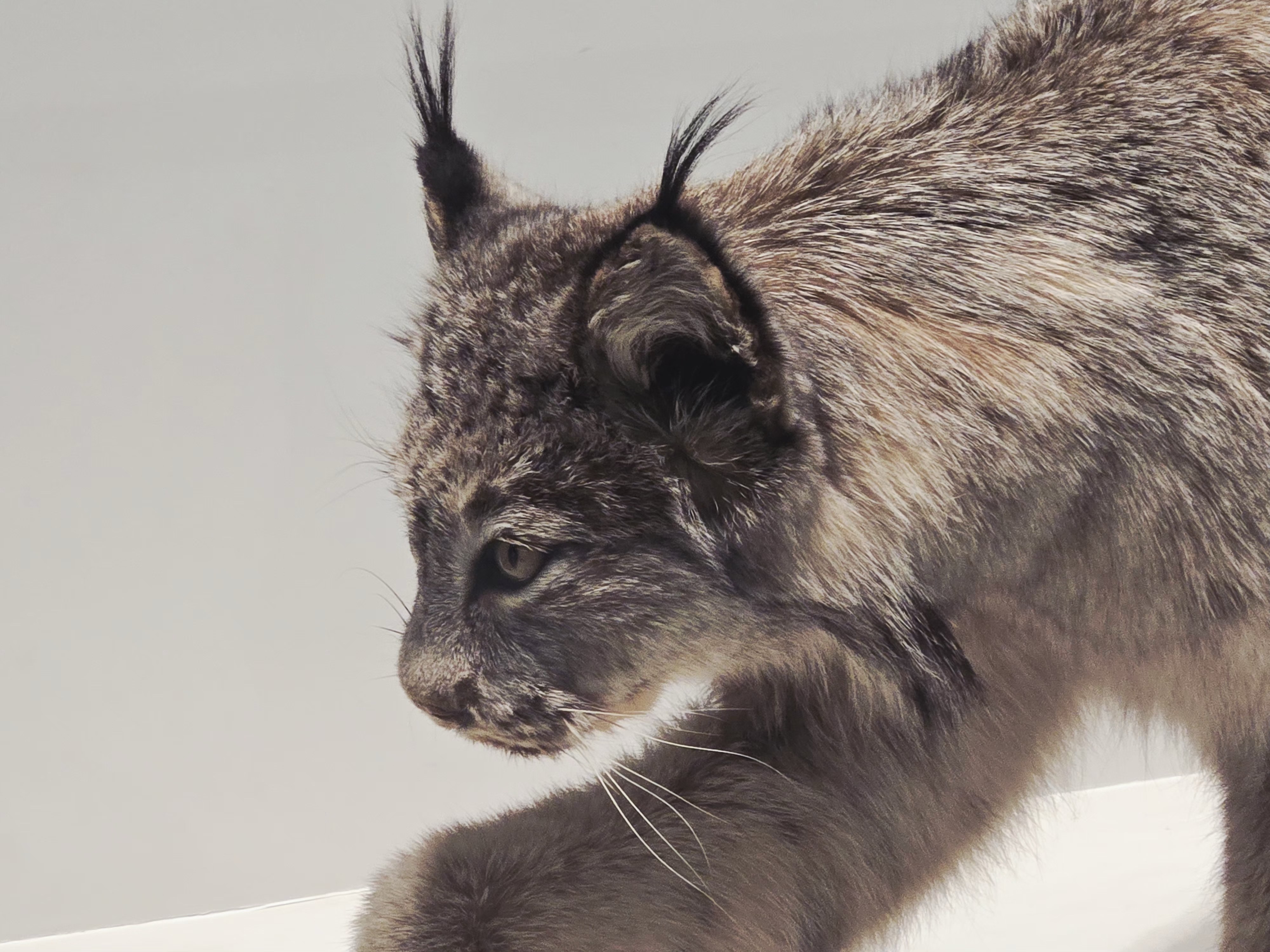
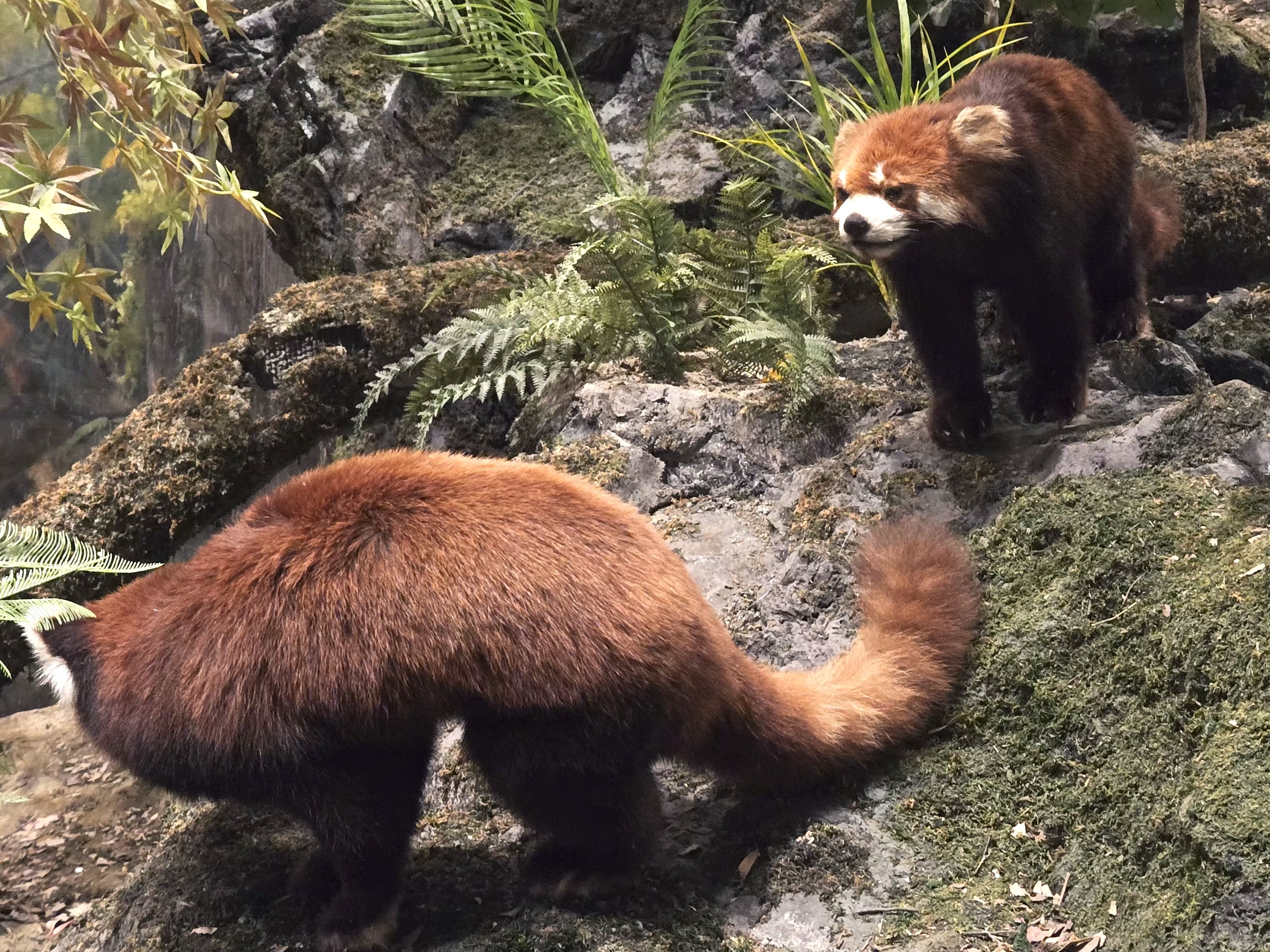
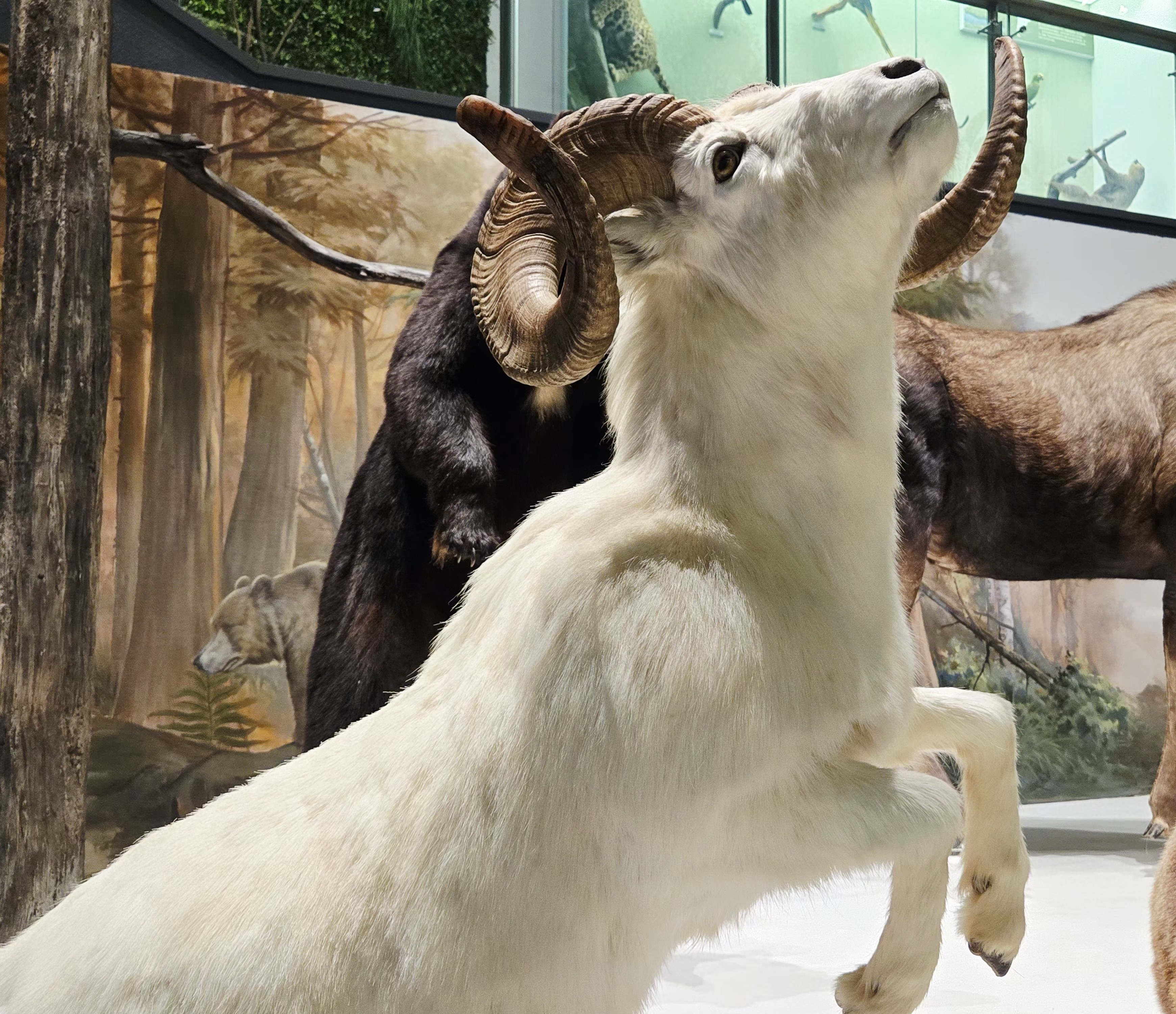
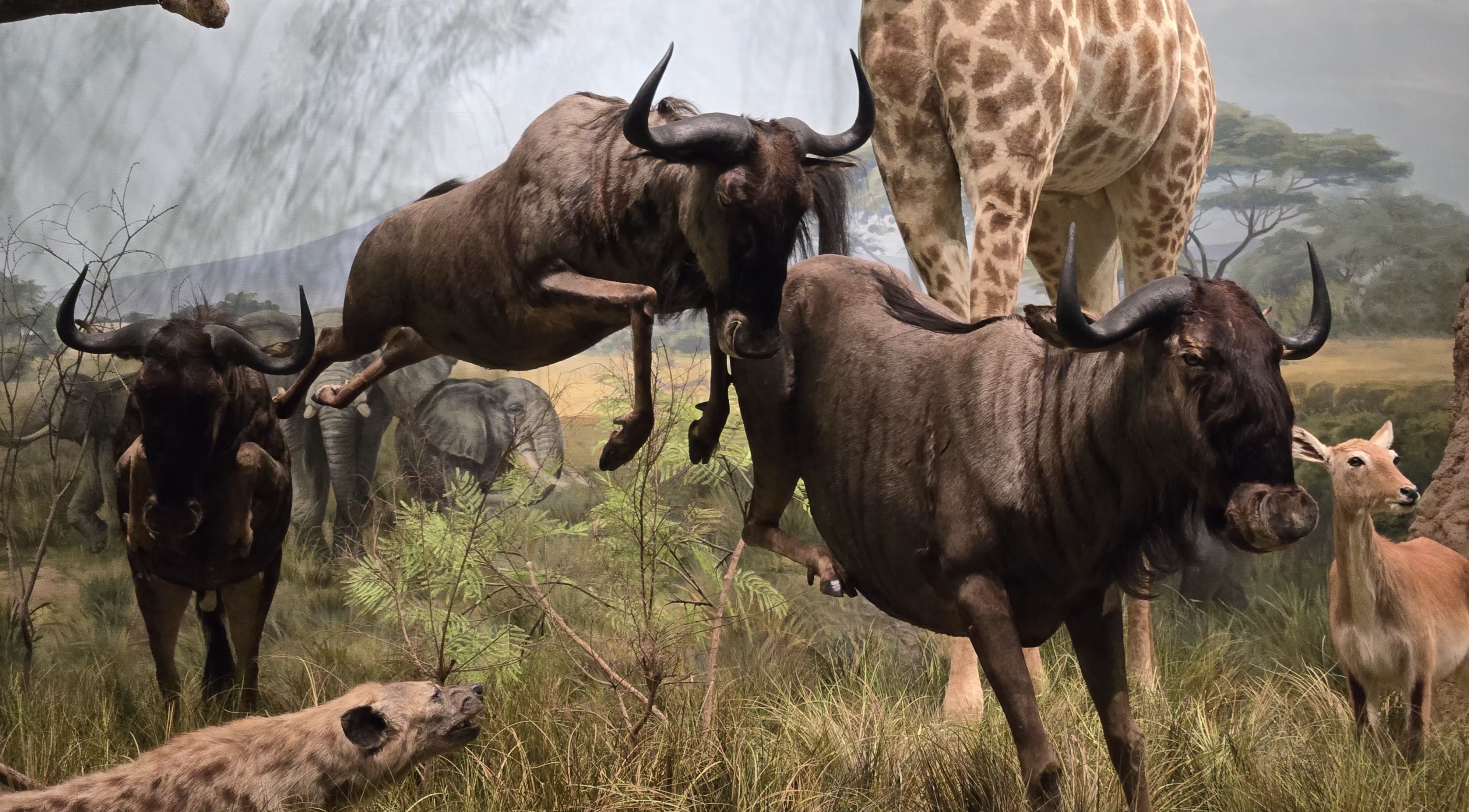
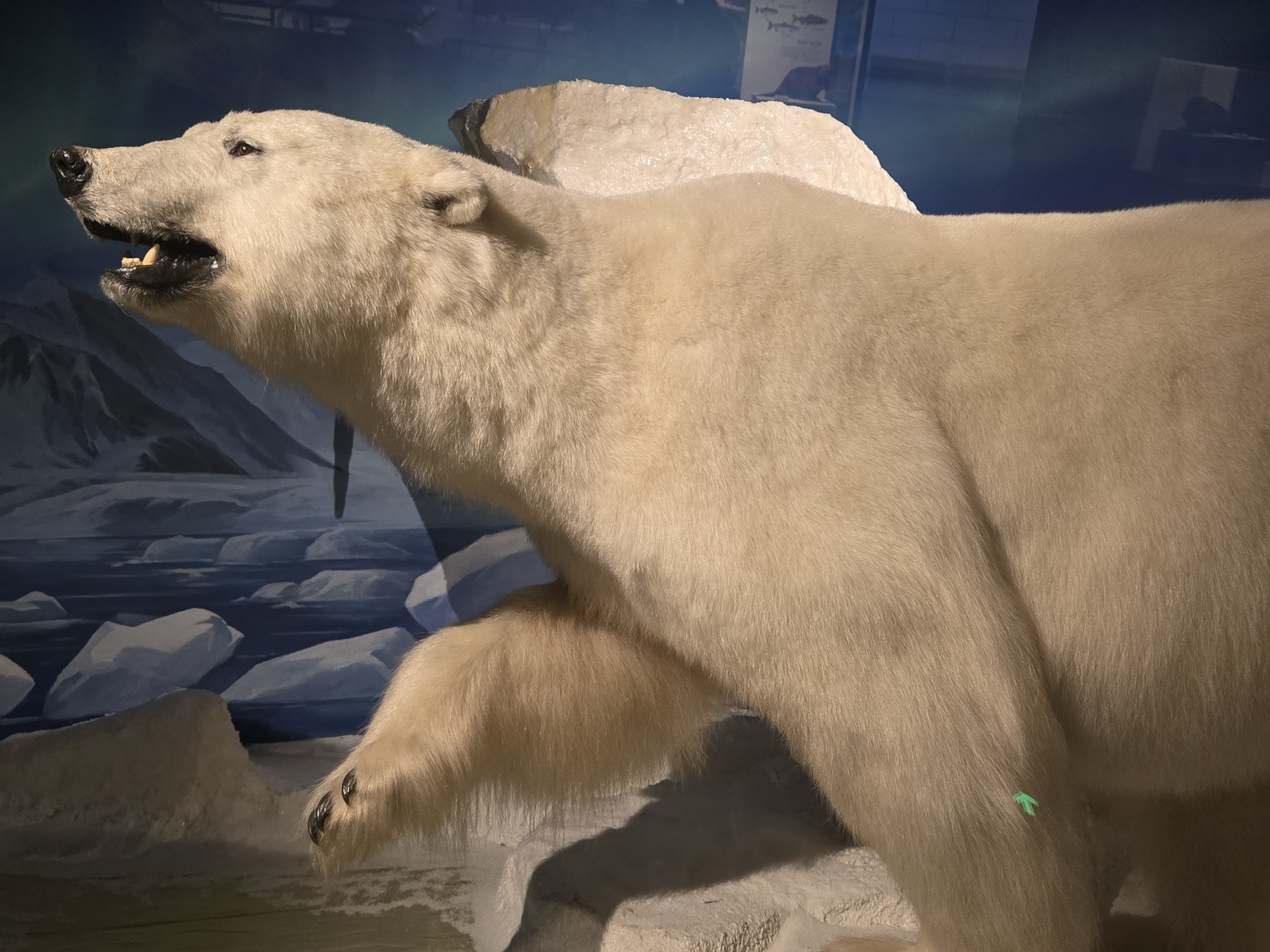
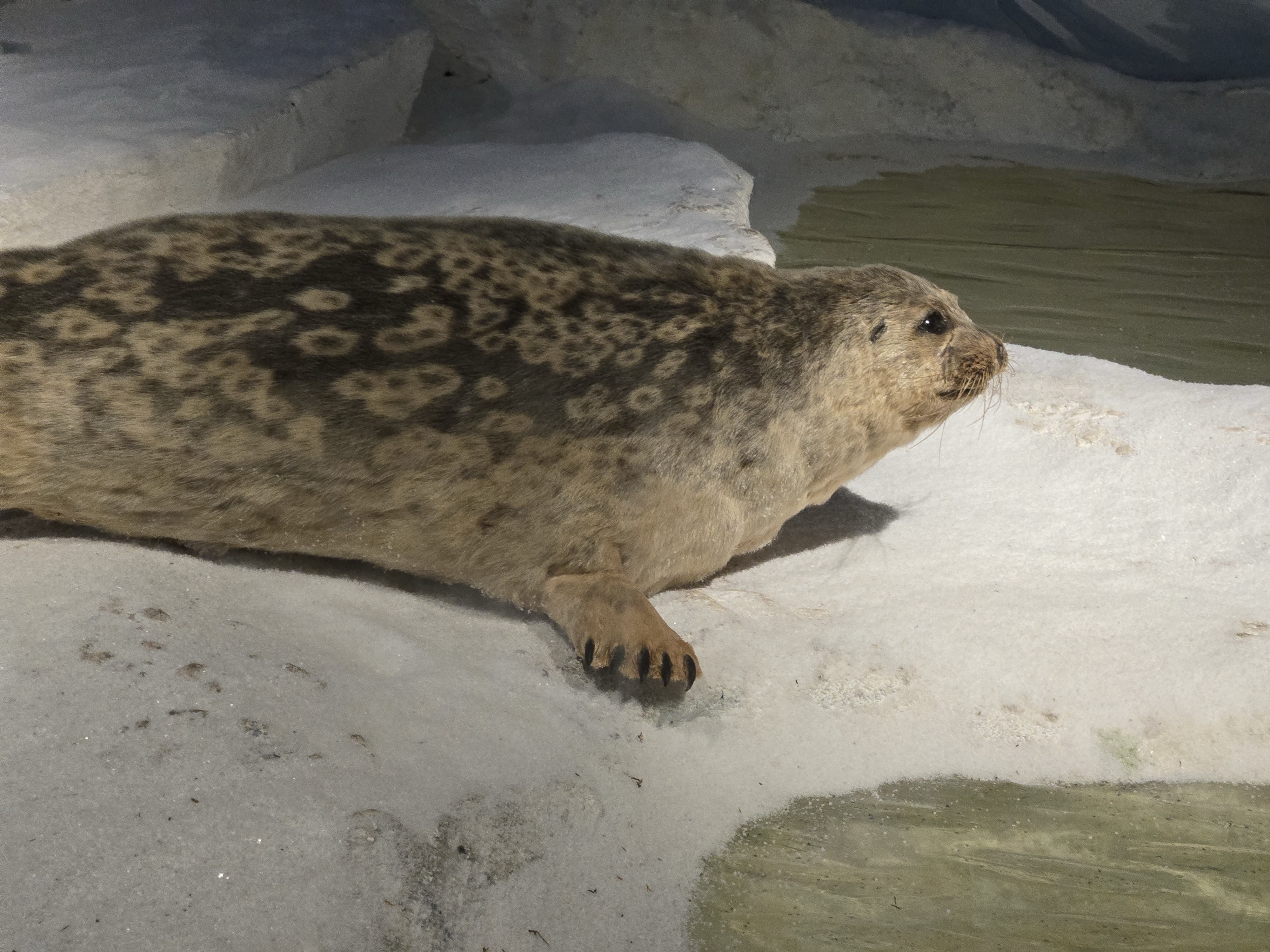
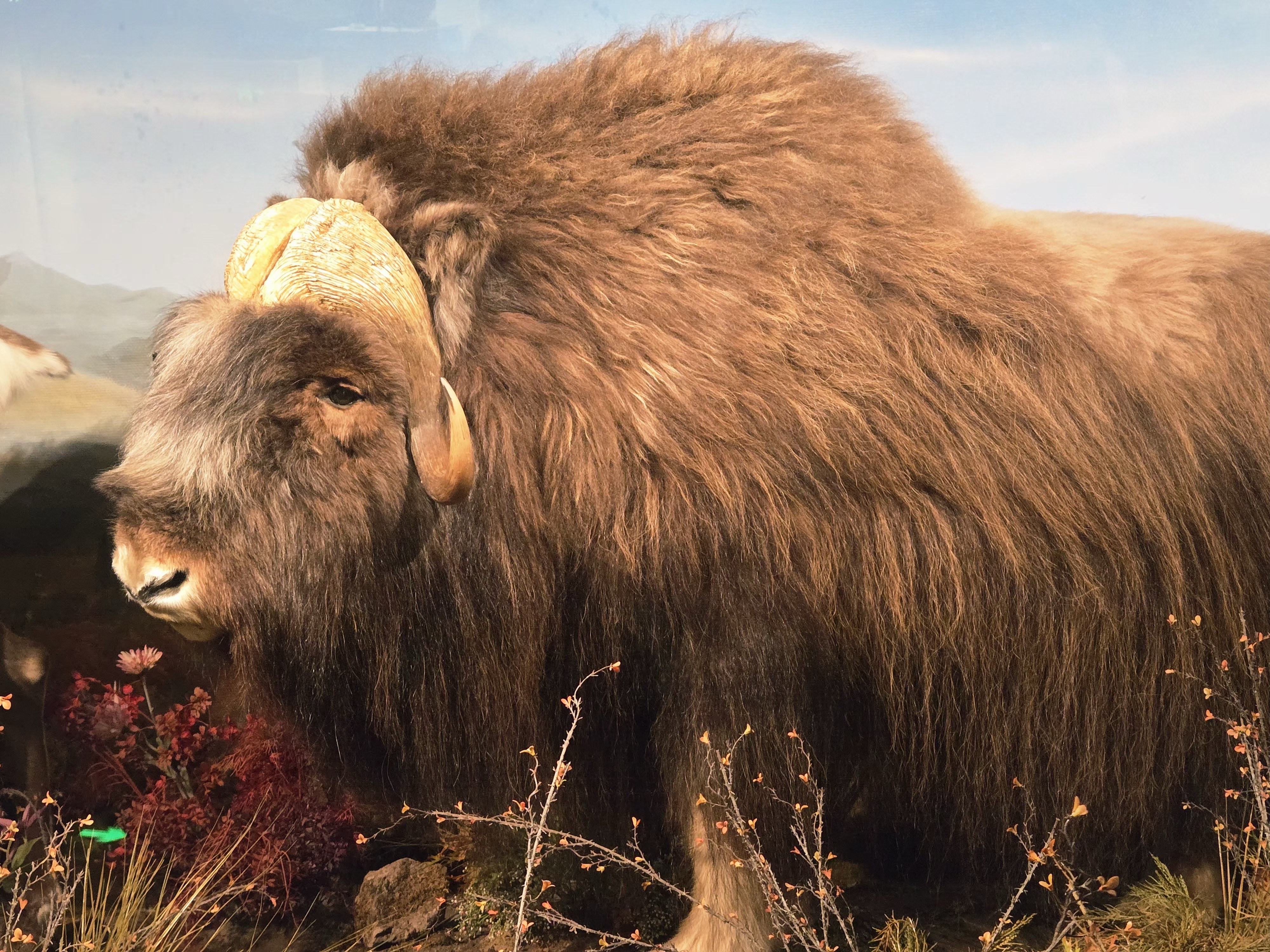
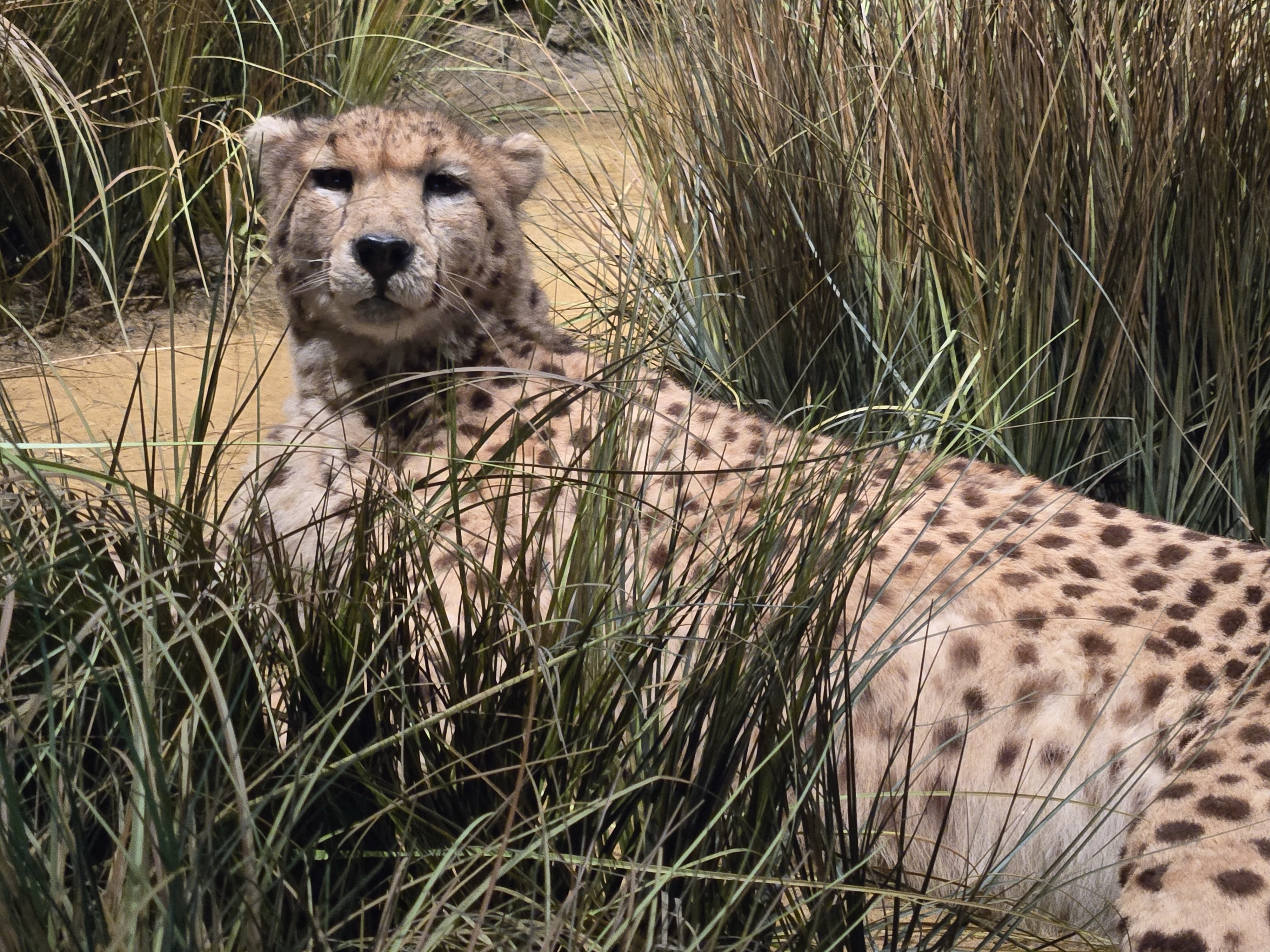
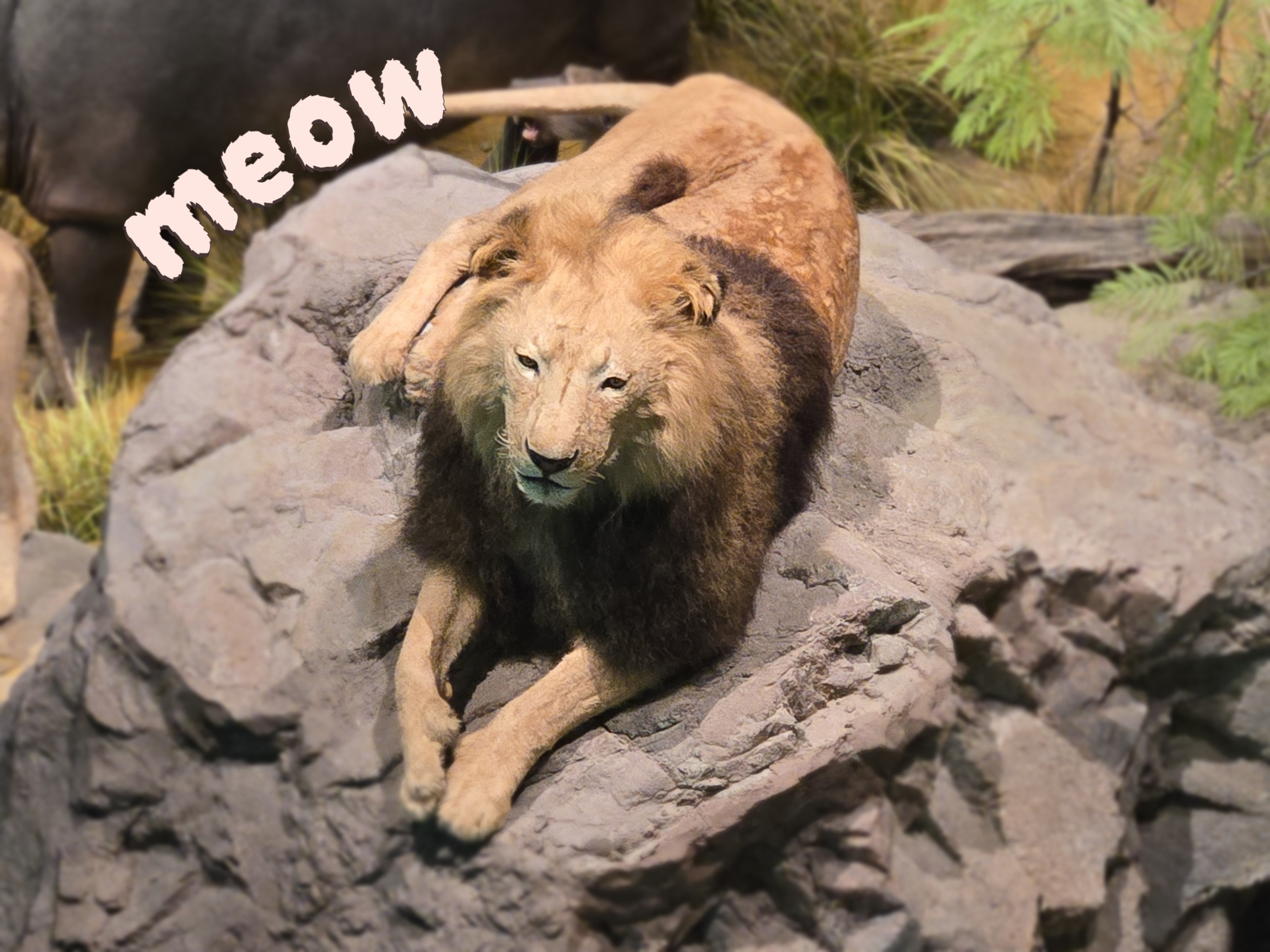
The Colorful Life exhibition hall revolves around the theme of “biodiversity,” showcasing a rich variety of vivid and lifelike natural specimens that represent the diversity of modern life forms and the ecosystems closely tied to humanity. The hall includes four major sections: Land of Abundance, Ecosystems, Insect World, and Animal Groups. Over 300 specimens cover species from all seven continents — from African savannas and North American forests to the Amazon rainforest and Arctic ice fields. The carefully designed simulated scenes allow visitors to immerse themselves and feel the vibrant vitality of all living things.
That’s the official description above. This hall really is well done — the glass is clean, and you can see staff wiping it down. When I visited Qingdao Underwater World, the dirty glass was noticeable (maybe live animals make cleaning harder, but specimens don’t fuss).
The dioramas are remarkably realistic. The southwestern Sichuan mountain scene is particularly impressive: a painted primeval forest background layered with tree trunks, fir branches, rocks, and moss. In between, Sichuan takin, golden snub-nosed monkey, black bear, red panda, and wild boar specimens are arranged naturally. The hall even loops forest ambient sounds — very immersive.
I looked it up: the scene is based on the Wanglang National Nature Reserve in Pingwu County, Mianyang. The historical notes explain that “Wanglang” was originally a local grazing pasture — not the Wang Lang from “Jiang Boyue surrendering to Kongming, Chancellor Wang cursing Wang Lang to death.”
There are also many fish, shell, bird, butterfly, beetle, and snake specimens. The museum’s closing statement is brief:
Human cannot walk alone on this Planet.
Where the world goes will depend on how we get along with other life forms.
To nourish the life of all things on this Earth is the way of nature.
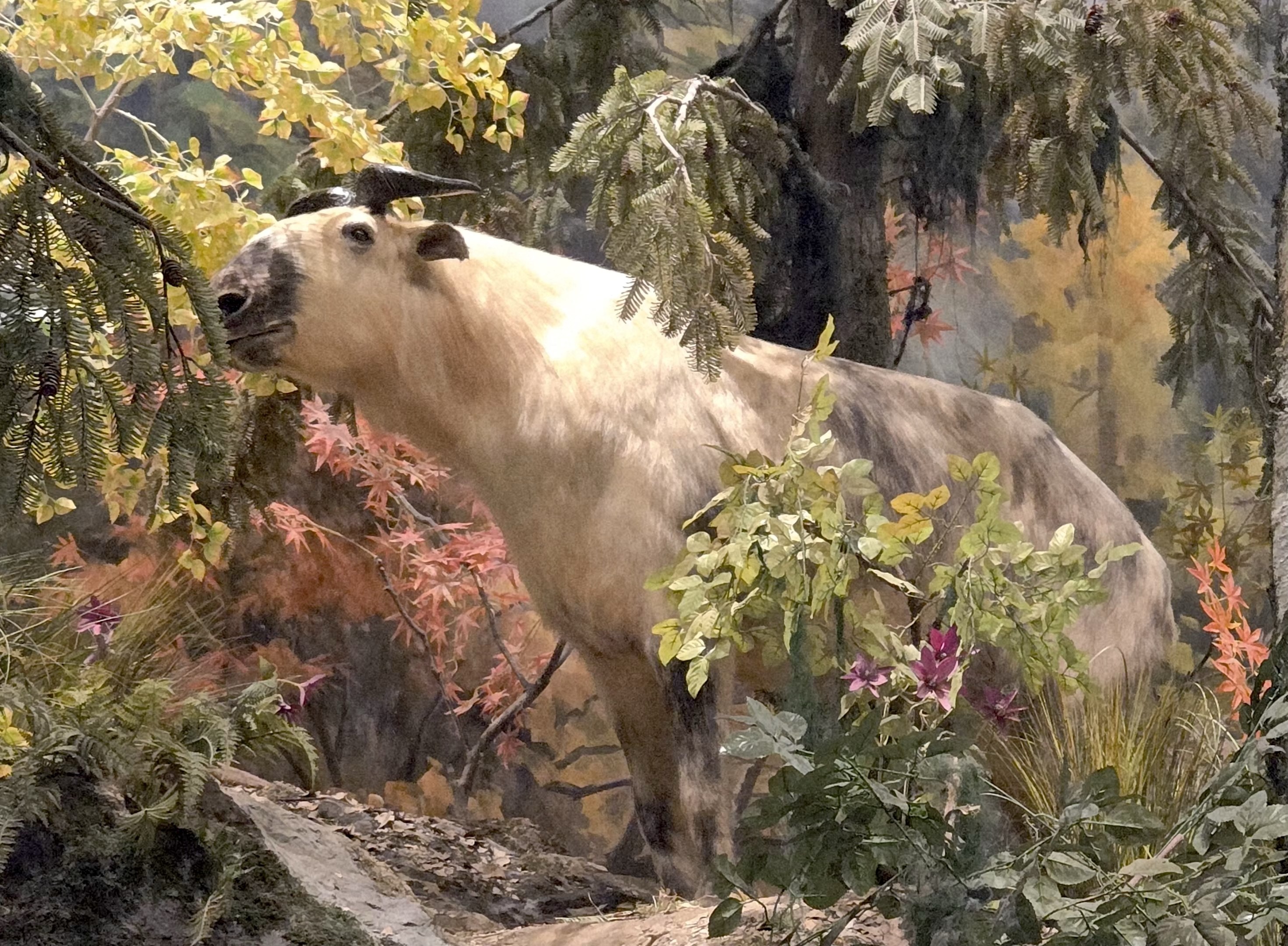
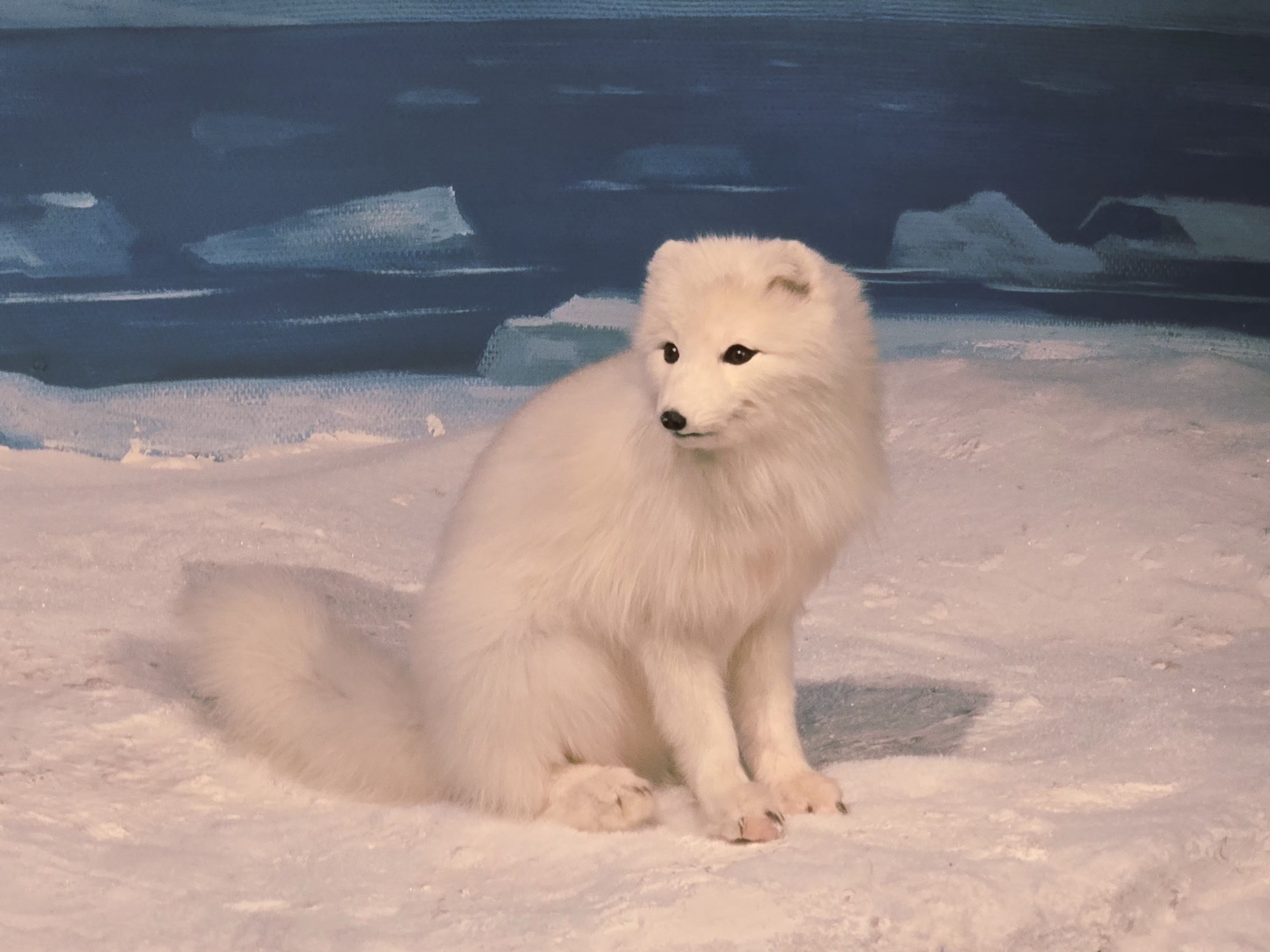
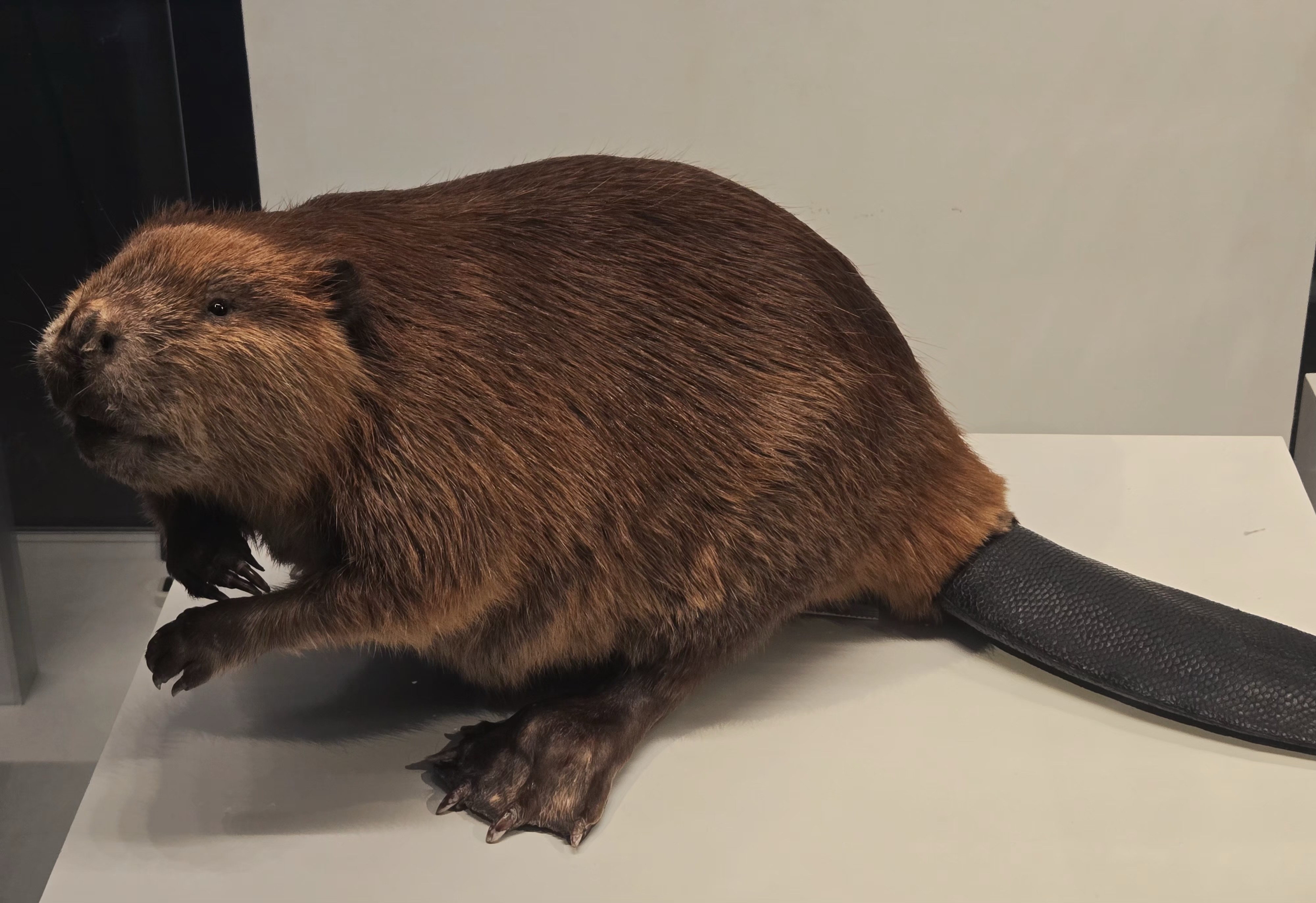
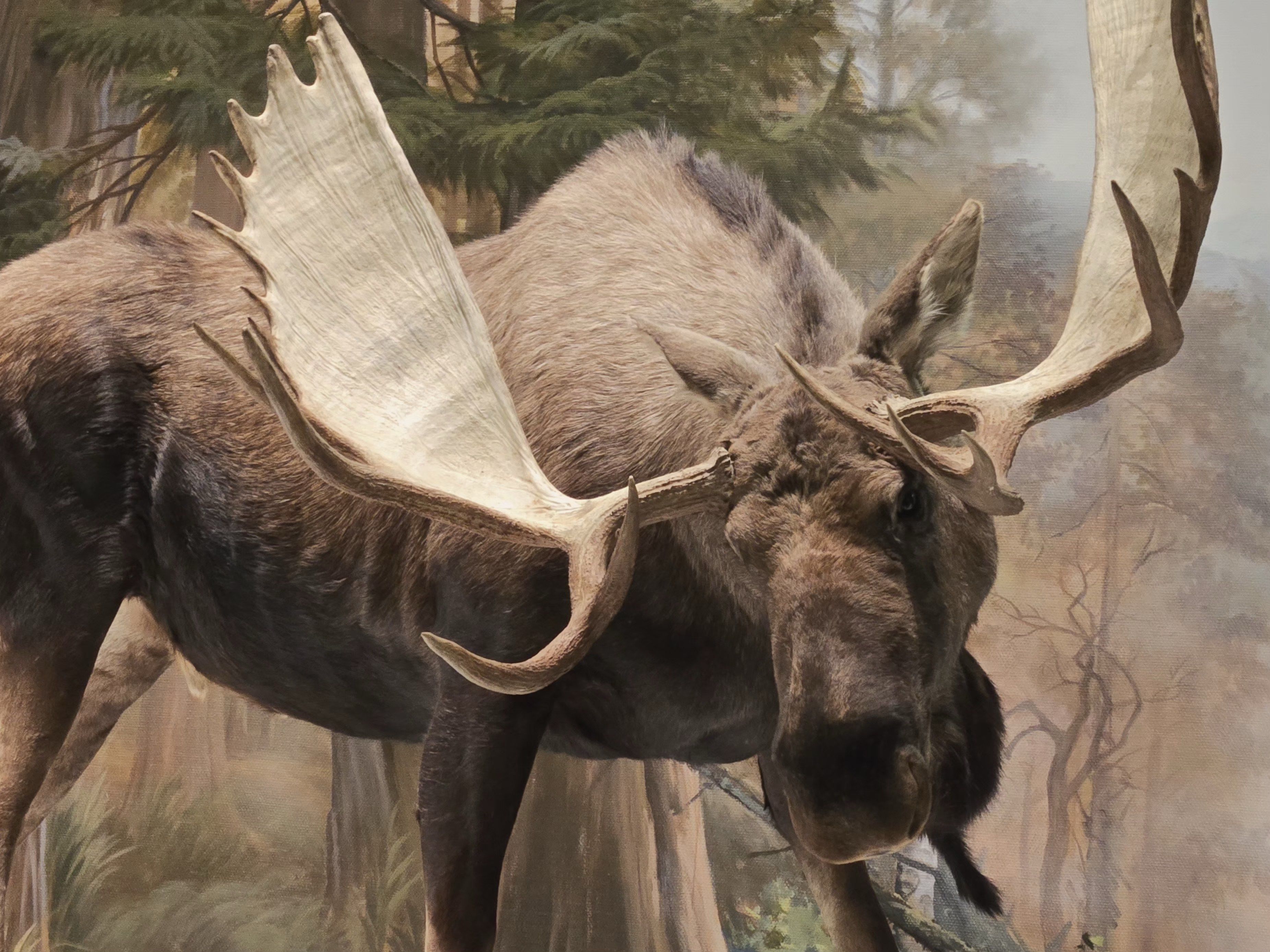
Tianfu Wings Hall
I only spotted this pop-up “Wings Hall” near the exit after buying souvenirs — it was a modest exhibit. I had actually planned to visit it first because the promotional sign at the entrance featured it prominently, but I couldn’t find it at the time.
The hall has an interactive area that simulates different bird calls. Walk to the corresponding spot and the call plays — for instance, the four-note cuckoo, also known as the cuckoo bird or zǐguī in Chinese. The exhibit notes say some people hear its call as “kuài kuài gē gǔ” (hurry up and harvest).
But there are other interpretations too: its song can sound like “bù rú guī qù” (better to go home) or “guāng gùn hǎo kǔ 😭” (being single is so hard). Classical Chinese poets frequently wrote about it, probably because that first mondegreen connected homesickness with the cuckoo.
杨花落尽子规啼,闻道龙标过五溪 —— Hearing Wang Changling Demoted to Longbiao, Li Bai
花落子规啼,绿窗残梦迷 —— 菩萨蛮·玉楼明月长相忆, Wen Tingyun
可堪孤馆闭春寒,杜鹃声里斜阳暮 —— 踏莎行·郴州旅舍, Qin Guan
There are other birds too, like various tits. Modern Chinese artists have also drawn inspiration from tits, for example 👇
Near the exit, the exhibit shifts to grander imagery — the Sun Bird and bronze birds of Sanxingdui — transitioning from everyday birdsong to the symbolic meanings in ancient civilizations.
At the very end, there are student creations and a closing statement. And of course, a souvenir shop right beside it. Plushies are around 50 RMB — pretty cute.
Closing Statement
As we linger on the secrets of bird flight, their melodious calls still echoing in our ears, as the touch of feathers on children’s fingertips fades, quietly the “Tianfu Wings” bird exhibit comes to an end — yet the exhibition never truly ends. We hope this exhibition becomes a starting point for a deeper connection with nature. When walking the Tianfu Greenway or passing through park wetlands, remember to keep a 50-meter distance from waterbirds. When telling children the stories of Sanxingdui and Jinsha, don’t forget the ecological answers behind the “Bronze Divine Bird” and “Sun Bird.”
Birds are love letters the sky writes to the earth, humanity’s oldest neighbors. May this exhibition awaken our love for nature in our genes, make every pair of eyes an observer of ecology, and every pair of hands a guardian of civilization.
Leaving the hall, carry with you this pact with wings: humans and birds will always share one sky, one world.